

AI UGC ads generator
Talking-creator ads without a creator
Generate the honest-review, unboxing, and get-ready-with-me formats that win on paid social, cast with an AI avatar and scripted around your product. No briefing, shipping, or waiting on a creator's turnaround.
57.5 cr/s Veo 3.1 with audio · $6.37 per 8s Veo 3.1 hook on Basic
Drop a photo here
JPG, PNG or HEIC · up to 20 MB
Plans from $9/mo · Cancel anytime

Real results
Every image is a Morphed render. No stock, no mockups.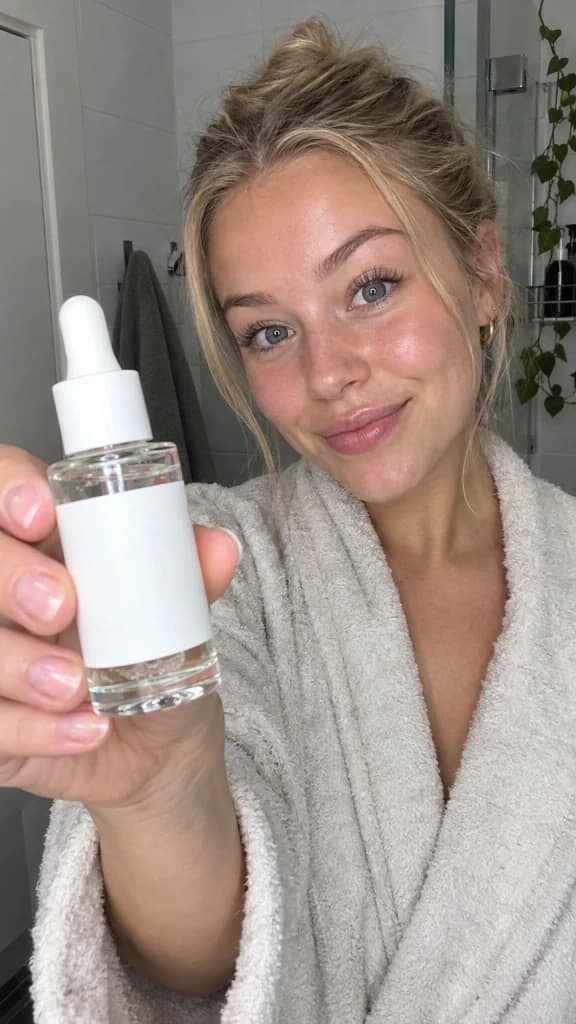
From product photo to a running UGC ad in 3 steps
No casting call, no shipping product to a creator.
Cast an AI avatar
Pick a demographic, setting, and energy, or lock in a recurring creator face for every ad.
Write the hook
Script the exact line and format — honest review, unboxing, or get-ready-with-me.
Generate and caption
Render the clip, cut in a product insert, and burn in captions for sound-off viewing.
When not to use AI UGC ads
- Never present an AI person as a real customer
- "I bought this and it cured my acne", delivered by an AI avatar and framed as an authentic testimonial, is a deceptive-advertising problem in most jurisdictions, not just a platform policy issue. Frame AI creators as spokespeople or dramatizations.
- Do not clone a real person without rights
- Only use likenesses and voices you actually have permission to use. Never generate a real creator, influencer, or celebrity face or voice without written consent.
- Regulated categories still need substantiated claims
- Health, supplement, and financial products carry claim-substantiation requirements regardless of who or what delivered the ad. Faster production is not a compliance shortcut.
- A brand new to UGC should still test with humans occasionally
- If your audience has never seen your brand run this ad style, blending in a small number of real creator videos lets you compare performance honestly.
Everything a UGC ad needs
- AI avatars, cast for the product
- Pick a demographic, setting, and energy for the on-camera creator instead of sourcing and briefing a real one.
- Scripted hooks, native audio
- Write the exact line you want delivered, and synced speech, natural gesture, and room tone come from the model.
- A recurring AI creator
- Keep the same face across dozens of ads using reference-image consistency, building recognition like a real creator relationship.
- Product-handling inserts
- Cut in real product-handling shots from your own photos so the ad feels like a demo, not just a monologue.
- Testing volume, not one take
- Generate 5-10 hook variants per angle, same day, instead of waiting on one creator delivery per week.
- Caption-ready exports
- Burn in captions for sound-off viewing before export, since most UGC ad views happen with the sound down.
Which model for which beat
A UGC ad is rarely one model end to end. Hooks, inserts, and volume tests each want a different engine.
| Model | Best for | Realism | Cost |
|---|---|---|---|
| Veo 3.1 | Talking-to-camera hooks with native synced audio | Excellent | 57.5 credits/sec with audio |
| Veo 3.1 Fast | High-volume hook testing at lower cost | Very good | 21.5 credits/sec with audio |
| Kling V3 Pro | Product-handling insert shots, no dialogue | Very good | 18 credits/sec |
| Seedance 2.0 Mini | Native 9:16 volume variants for testing | Good | 22.5 credits/sec |
Credit pricing from the live model catalog.
What one UGC video actually costs
Creator sourcing and generation solve the same brief at very different price points and turnaround times.
| Approach | Maths | Cost |
|---|---|---|
| Hired UGC creator, 1 video | 1 video | $150-$500+ |
| AI talking hook, 8 seconds (Veo 3.1) | 8s × 57.5 credits/sec with audio = 460 credits | about $6.37 |
| AI talking hook, 8 seconds (Veo 3.1 Fast) | 8s × 21.5 credits/sec with audio = 172 credits | about $2.38 |
The point is not that one generated clip beats one creator clip on quality. It is that ten variants cost less than one creator video, so the testing loop that finds a winning hook runs weekly instead of quarterly.
Disclosure rules by platform
AI UGC content is not restricted on the major ad platforms. Misrepresenting who is speaking in it is.
| Platform | Requirement |
|---|---|
| TikTok | AI-generated content must be labeled with the platform's AI content toggle. |
| Meta (Facebook, Instagram) | Disclosure required for photorealistic AI people in certain ad categories, including political and social issue ads. |
| Every platform | Never present an AI person as a real customer giving a real testimonial. This is a deceptive-advertising issue, not just a platform rule. |
Why the testing loop matters more than any single ad
A UGC ad account rarely wins on the first hook. It wins on the twelfth, after eleven variants told the account what angle, setting, and delivery actually stops the scroll for that specific product. The bottleneck was never creativity, it was throughput: how many honest attempts get in front of an audience before the budget runs out or the creative fatigues.
Sourcing that throughput from human creators means managing a roster, briefing each person on the product and angle, waiting on delivery, and paying per video regardless of whether the hook works. A brand testing five angles a week through creators is an outlier; most run one or two rounds a month because the coordination cost, not just the dollar cost, caps the pace.
Generating the same volume with AI avatars removes the coordination step. A media buyer can write ten hook variations on a Monday morning and have all ten rendered before lunch, then let the ad platform’s own delivery data pick winners instead of guessing from a creative brief. The generated clip does not need to beat a great human creator video — it needs to exist in enough quantity that the account finds its winners faster.
Questions
Generate your first UGC ad
Plans from $9/mo · Cancel anytime



Related reading