

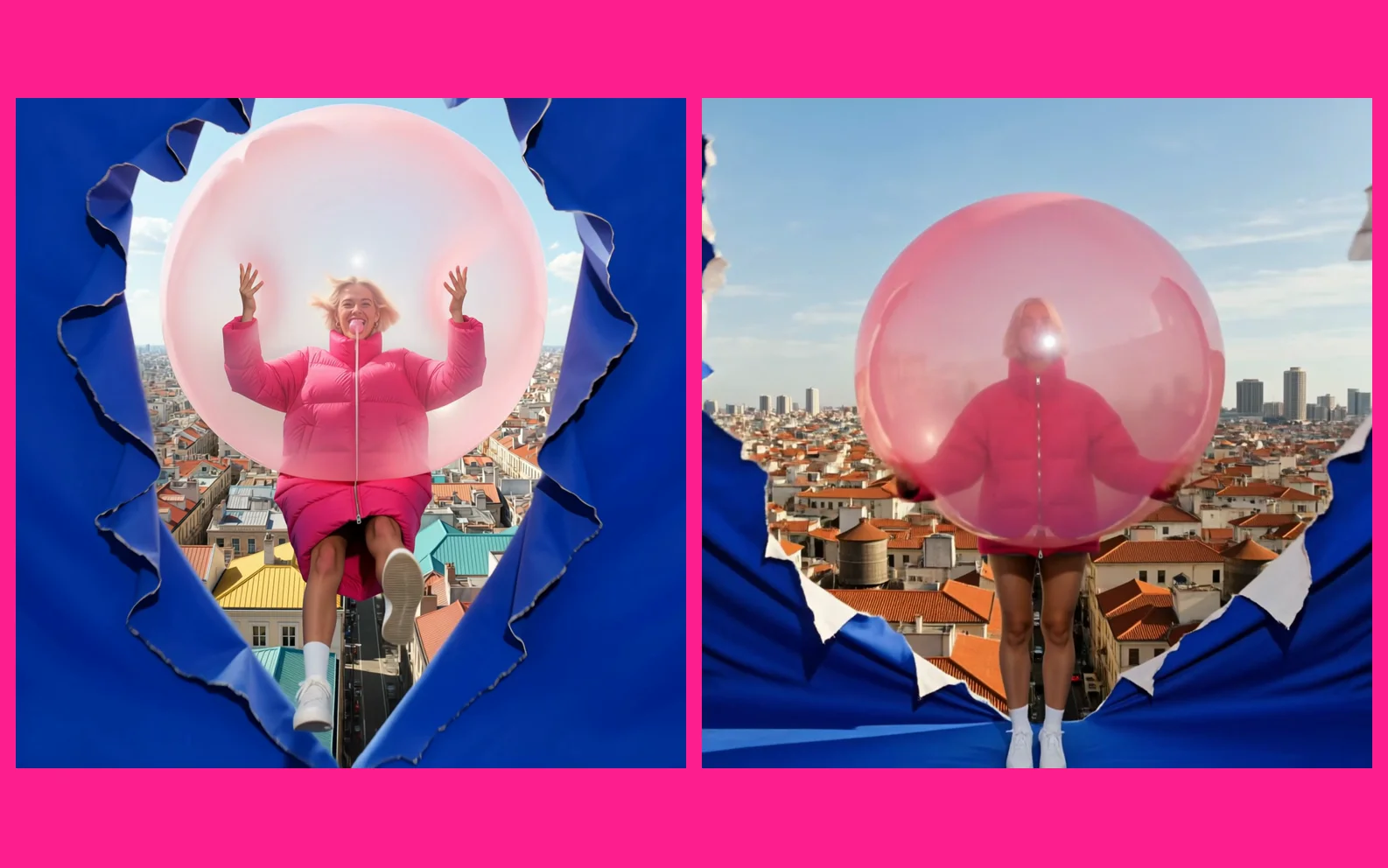
Start on Kling 4.0 Flash. In our small test it made a 10 second clip in 92 seconds for 190 credits. Kling 4.0 at 1080p took 8 to 10 minutes and cost 460 credits. Find the idea on Flash, then move to Kling 4.0 when you need 1080p, more than 20 seconds, an end frame, or a cleaner finish.
Kling 4.0 Flash is the cheaper of the two Kling 4 models on Morphed, and in our test the much quicker one. The trade is resolution, length, and some polish. Here is how we choose.
Flash and 4.0 side by side
| Feature | Kling 4.0 Flash | Kling 4.0 |
|---|---|---|
| Modes | Text, image, reference and video edit | Text, image, reference and video edit |
| Resolution | 720p only | 720p or 1080p |
| Length | 3 to 20 seconds | 3 to 30 seconds |
| Cost | 19 credits per second | 31 credits per second at 720p, 46 at 1080p |
| Audio | Native, always on | Native, always on |
| Aspect ratios | 16:9, 9:16, 1:1, 21:9 | 16:9, 9:16, 1:1, 21:9 for text-to-video. Image-to-video follows the input image. |
| Image-to-video frames | One start frame, no end frame | Optional start and end frame |
| Video editing | 3 to 20 second clips, 25 credits per second | 3 to 30 second clips, 38 credits per second at 720p, 56 at 1080p |
| Reference-to-video | Up to 10 images and 5 videos, 20 seconds of video in total | Up to 10 images and 5 videos, 30 seconds of video in total |
| Plan | Paid, Basic or higher | Paid, Basic or higher |
What each clip costs
| Length | Flash, 720p | 4.0, 720p | 4.0, 1080p |
|---|---|---|---|
| 5 seconds | 95 credits | 155 credits | 230 credits |
| 10 seconds | 190 credits | 310 credits | 460 credits |
| 20 seconds | 380 credits | 620 credits | 920 credits |
| 30 seconds | Not available | 930 credits | 1,380 credits |
One line makes the case. Two 10 second Flash takes cost 380 credits. One 10 second take of Kling 4.0 at 1080p costs 460.
What happened in our test
We gave both models one frame and one prompt, and asked for a 10 second clip at 1:1. We ran two takes each, with Kling 4.0 at 1080p.
| Kling 4.0 Flash | Kling 4.0, 1080p | |
|---|---|---|
| Time | 92 seconds | 8 to 10 minutes |
| Credits | 190 | 460 |
Both kept the story. The bubble grows, the wall tears open, she floats out over the rooftops.
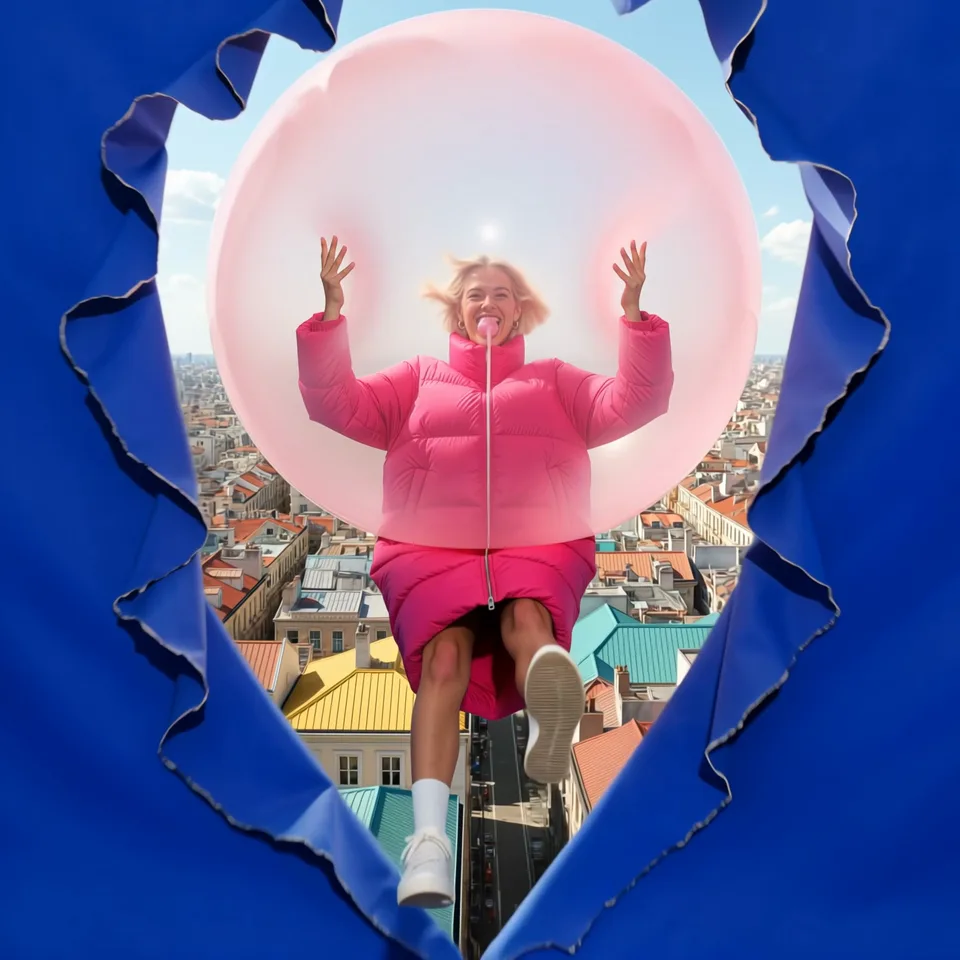
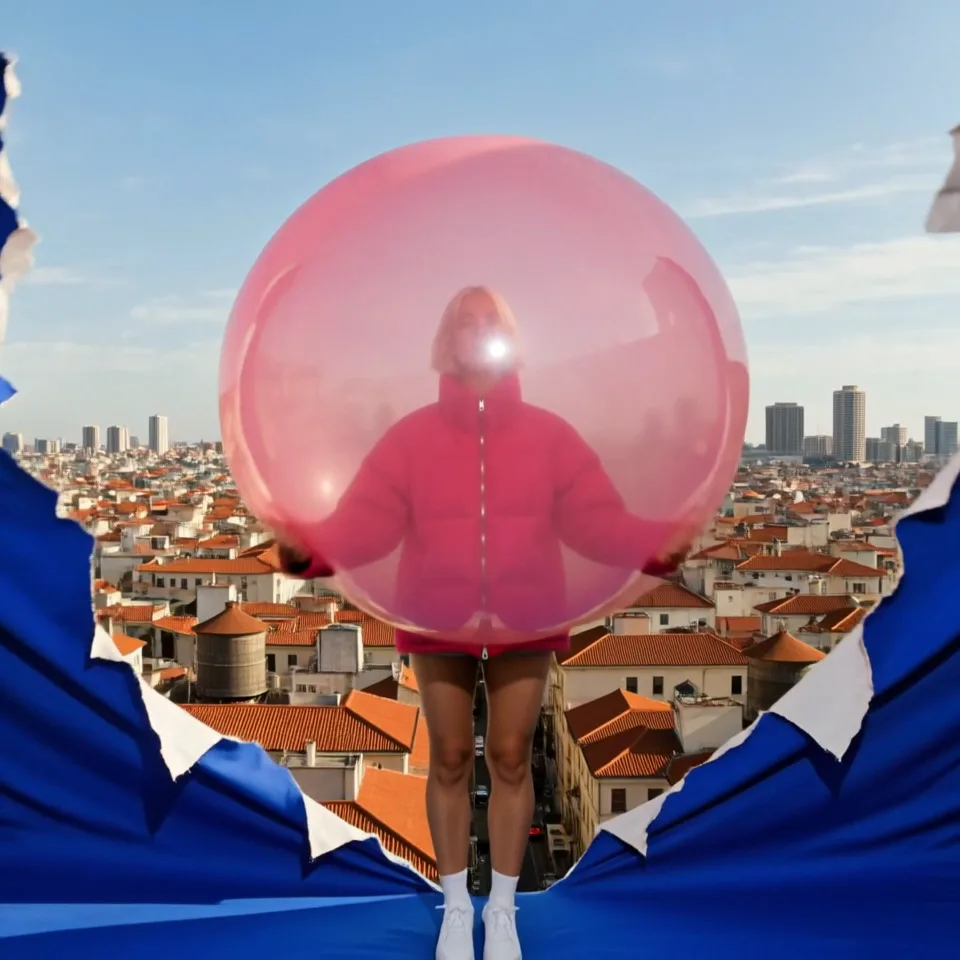
Our read: Kling 4.0 had the cleaner tear and the richer colour. Flash is the one to find the idea with. Look at the torn edge in the frames above, then look at the city. Same prompt, different rooftops. These are separate takes, so a Flash clip is not a preview of the exact Kling 4.0 clip you will get.
Two takes each is a small sample. We measured the speeds calling the providers directly, not in the Morphed app, and they will vary. The clips came from calling the same models directly too.
When to use Flash
- You are finding the idea. Early prompts fail. Let them fail at 19 credits per second.
- 720p is enough. There is no higher option on Flash, so check this first.
- The clip is 20 seconds or less.
- You start from one frame. Image-to-video takes a single start frame.
When to use Kling 4.0 instead
- You need 1080p.
- You need 21 to 30 seconds.
- You need an end frame. Flash has none, so you cannot try that move on Flash first.
- It is the final clip. Fine edges and colour were where Kling 4.0 pulled ahead for us.
Both models can work from an existing video. Use the Edit tab in the video studio to change a clip, or attach reference videos in the composer. With a video attached, Flash costs 25 credits per second.
How we would work
- Write the prompt and run it on Flash at the length you want.
- Change the prompt until the story works.
- Run the same prompt and the same start frame on Kling 4.0 at 1080p.
Do not spend 1080p credits on a story you have not seen yet.
The prompt we used
The start frame came from a GPT Image 2.6 GIF, sharpened with a GPT Image 2.6 edit. Both models got this same text.
Read the exact Kling prompt
[STYLE + CAMERA + ATMOSPHERE]
Bright, saturated commercial film look, crisp detail, hard studio light. One continuous camera move, single unbroken take, no cuts.
Audio: wet rubbery stretching creak of bubblegum, a rising squeak as it swells, wind rushing in, a distant sunny city, her muffled laugh. No music.

[TIMELINE SECOND BY SECOND]
0-2s: [Close, centered] She holds the small pink bubble at her lips, eyes on the camera, and raises one eyebrow.
2-5s: [Slow pull back] She keeps blowing. The bubble swells past her face, bigger than her head, bigger than her jacket, glossy and stretched thin. It does not pop.
5-7s: [Continuous crane up] The giant bubble lifts her off the floor. The cobalt blue wall behind her tears open like paper and bright daylight pours in.
7-10s: [Continuous crane up, wide] She floats out through the tear, both hands on the giant pink bubble, over sunny colourful rooftops, legs kicking, laughing.

[QUALITY]
Photorealistic, coherent physics on hair, jacket and gum, stable character identity, no text, no logos.
Try them
Open Kling 4.0 Flash or Kling 4.0. Both need a paid plan, Basic or higher. For the full picture on the bigger model, read our Kling 4.0 guide.