

A directory photo answers a question no credential can
Someone scrolls a therapy directory, reads forty profiles and contacts two. Every person on that page is licensed, so the licence is not what separates them. What is being decided is whether this is a person they could say the hardest thing to. Upload one clear photo and get a portrait that answers honestly.
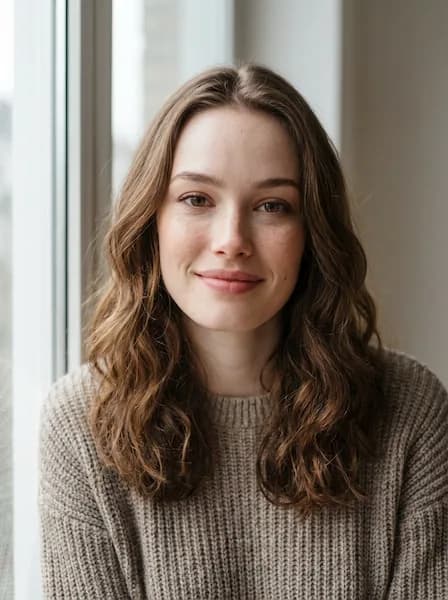

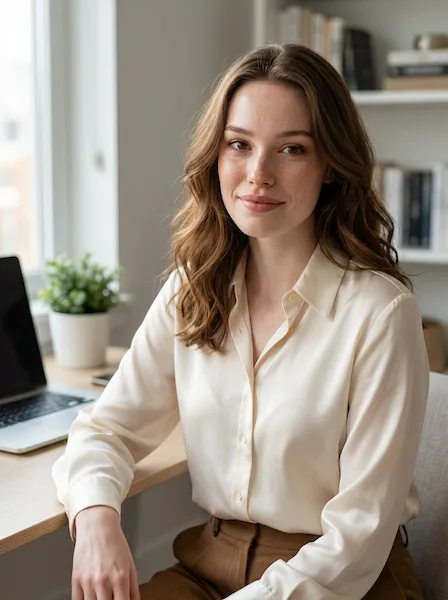

Powered by the world's best AI models
100+ models · commercial use included
Fit, not qualification, is what is being assessed
A therapy directory profile is a strange document. It lists your licence, your modalities, the populations you work with, the insurance you take, your fee, and a few paragraphs you wrote about your approach. Above all of it sits a photograph. Everybody on that page is licensed and everybody has written something reasonable, so the credential columns do very little separating. The person scrolling has thirty or forty profiles in front of them and will contact two or three.
It is worth being precise about who that person is. Many of them have been circling this decision for months. Some are doing it at night because that is when it becomes unavoidable. They are not comparison-shopping in any ordinary sense; they are trying to find out, from very little information, whether they could sit in a room with you and say the thing they have not said to anyone. No credential answers that question. The photograph is the only fit signal available before a first call, which is why it carries more weight here than in almost any other profession.
That gives the photo an unusual brief. It does not need to impress and it should not try to. It needs to be accurate, calm, and clearly enough lit that someone can read a face. The studio works from one clear source photo and returns up to four variations in a single style, adjusting lighting, background and clothing — the same variables a portrait photographer controls — while the face stays yours. That constraint is the point rather than a limitation, for reasons that matter more here than they do elsewhere.
Why capable clinicians get scrolled past
Not for lack of qualification. For a photograph that answers a different question than the one being asked.
The photo is performing warmth
Wide smile, head tilted, arms folded, bright even light, everything a little glossy. It is the standard vocabulary of a promotional portrait and it works in fields where the product is confidence. Here it can read as a person who has not sat with anything difficult. Someone looking for a place to bring grief or shame tends to move past the profile that looks most pleased with itself.
A portrait borrowed from another profession
A suit, a conference backdrop, a boardroom window behind you. It signals institutional competence, which is the right signal for a consultancy bio and the wrong one for a person deciding whether an hour in a room with you would feel safe. Clients are not picturing your credentials. They are picturing the room.
A photo that will not survive the first session
Heavy retouching, a filter, a picture from a decade and a different haircut ago. The first video call is where the alliance actually begins, and a visible gap between the profile and the person introduces a small unspoken doubt at exactly the moment trust is being established. It is a genuine clinical problem, not a cosmetic one.
No photograph at all
The instinct is understandable, and privacy in this profession is not a small consideration. But a directory profile without a face is almost always skipped, because the one question the person is there to answer cannot be answered from text. If you are unwilling to publish an image of yourself, that is a legitimate position — it is simply worth knowing what it costs on a directory.
What the photograph is being asked
The assessment happens in about a second, but it is not shallow. Someone is doing something quite specific with your face: imagining an hour, in a room, saying something they are ashamed of, and watching how you respond. They are looking for evidence of steadiness — a person who could hear it without flinching, without pity, and without the brightness that would make them feel they had ruined the mood.
Warmth alone does not carry that. Neither does clinical composure on its own, which can read as distance to someone already braced to be judged. The register also shifts by specialism: work with adolescents wants less formality than a profile aimed at couples, and trauma work is generally better served by calm than by cheerfulness. Deciding which of those you are photographing towards is more consequential than any technical setting.
- Could I say the hardest thing I have to say to this person?
- Would they be shocked by it, or have they heard it before?
- Is this steadiness, or is this someone performing warmth?
- Will the person on the first call look like the person in this photograph?
From one photo to a profile portrait
A short, low-effort process for something a lot of practices postpone for years.
Upload one photo
Upload one clear, front-facing photo — a single photo, with no training step. Soft daylight if possible, no filter, and an ordinary expression rather than a held smile.
Choose a style
Choose Natural Light, or any of the 65 styles, then set lighting, background, attire and expression to match how you actually present in session.
Download your pick
Get up to four results in about 30 seconds. Choose the one a colleague would call the most like you, which is rarely the same as the most flattering.
How to photograph steadiness
Everything here is adjustable in the studio. These are the choices that change what the portrait says.
- Accurate first, flattering second
- This is the one rule that outranks the rest. The photograph is a promise about who will be on the call, and the therapeutic relationship starts by that promise being kept. Choose the result that looks like you on an ordinary Tuesday, with the lighting improved and nothing else changed. If a former client would hesitate before recognising you, it is the wrong frame.
- Dress the way you dress in session
- Whatever you actually wear when you see clients is the correct answer, cleaned up slightly. Business Casual and Smart Casual Blazer cover most private practice; a turtleneck or a soft knit reads quieter than a suit. Avoid anything that would surprise a client in the room, and avoid high formality unless you work in a setting where clients expect it.
- Keep the camera at eye level
- A portrait taken from above puts the viewer over you; one from below puts you over them. Both introduce a hierarchy into an image whose whole job is to suggest sitting across from someone. Straight On and Slight Angle at eye level are the poses that read as level, and it is a small technical detail with a disproportionate effect.
- Light with some direction in it
- Flat, very bright light can read as clinical brightness, which is the opposite of the impression you want. Natural Window gives soft shadow and a little depth, which is why it tends to feel quieter and more human than a high-key studio setup. Keep the eyes clearly lit regardless; they are the first thing lost when a directory renders the image small.
- Your room, or nothing behind you at all
- A plain background keeps attention on your face and is never wrong. An environmental frame — a consulting room, a window, greenery — can help if it genuinely resembles where sessions happen, because it lets someone picture the space. What to avoid is decor that quietly announces a worldview you did not intend to announce, and any background detailed enough to compete for attention.
- Let the specialism set the expression
- Approachable and Thoughtful serve most profiles better than Friendly Smile, and Energetic almost never fits this field. Adolescent and family work can carry a little more openness. Trauma, grief and addiction work are better served by a settled, unhurried expression that suggests nothing said will be too much. Couples work asks for a face that neither partner would read as already taking a side.
Styles suited to a therapy profile
Four of the 65 studio styles, chosen for how they read to someone deciding whether to make contact.
One portrait, several listings, one person
The directory profile is rarely the only place this photo lives. The same image tends to appear on an insurance panel listing, a group practice page, your own site, a supervision or training bio, and sometimes a workshop programme. Those audiences differ — a supervisee and a prospective client are not reading for the same thing — but they should all be looking at the same recognisable person, because inconsistency across them reads as carelessness in a field where consistency is part of the work.
Since each run returns up to four variations, generate a small set in one sitting. Keep the quietest frame for the directory, a slightly more formal one for panel and group-practice listings, and revisit them when something about your appearance genuinely changes. A portrait that is accurate today will still be accurate in two years, which is more than can be said for most reasons people replace a headshot.
Frequently asked questions
Keep looking around
Create your directory photo
One photo in, up to four variations out, in about 30 seconds.