

One photo, seen by children, parents and a hiring panel
Education is the profession where the same picture of you is public to a class, to their families, and to a district panel deciding whether to shortlist you. Upload one clear photo, pick a style, and get a portrait that holds up in all three places.
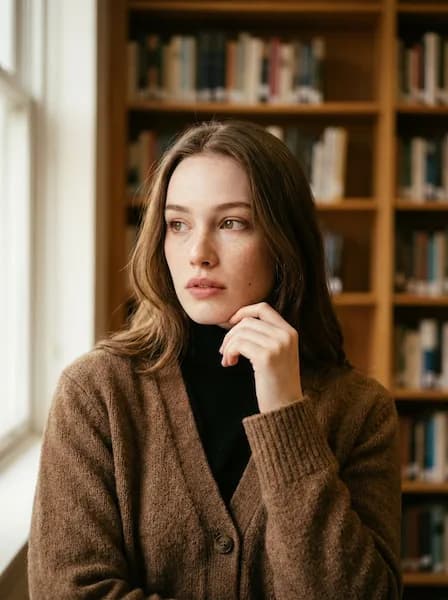

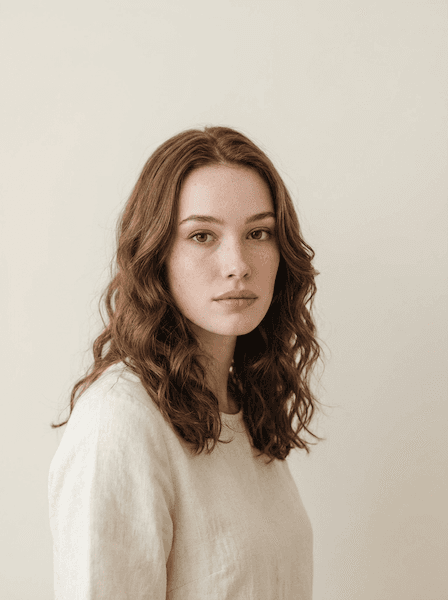
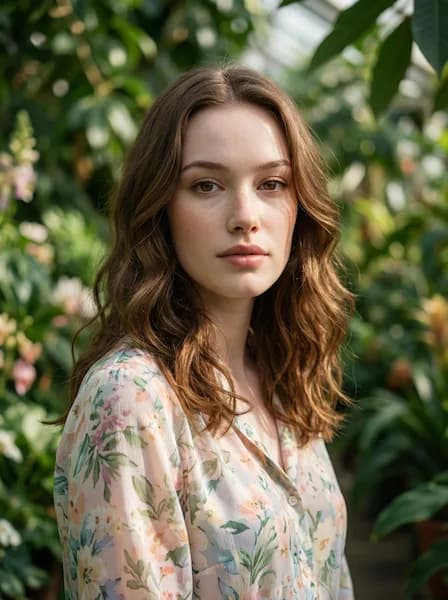
Powered by the world's best AI models
100+ models · commercial use included
Three audiences see the same photograph, and they want different things
A school staff directory, a university faculty page and a LinkedIn profile aimed at a career move are three different documents. They are read by three different people for three different reasons — a nine-year-old working out which one is their new form tutor, a parent forming an impression a fortnight before a difficult conference, a district hiring panel deciding whether you belong on a shortlist for an assistant principal post. In almost every case all three are looking at the same image, because the photograph taken on induction day is the only one that exists. Education may be the only profession where that collision is routine rather than occasional.
The three audiences pull in different directions. Children and families want legibility and warmth: a face that is easy to recognise at the gate and easy to trust before a word has been exchanged. A faculty page wants something nearer to competence — your photo sits beside a publication list and a set of office hours, and it quietly answers whether a first-year student is going to knock on your door in week three. A hiring committee wants somebody who could plausibly stand in front of a staff meeting, a governing board or an edtech leadership team. One photograph has to carry all of that without over-rotating toward any single reader.
The studio takes one clear photo of you and returns up to four variations in a chosen style, in about thirty seconds. That is enough to produce a warm, approachable version for the school site and a more composed version for an application, without organising anything, waiting for a photographer to visit the building, or queuing outside the library on an INSET day. There is no set of selfies to collect and no training step — one source photo, one style at a time.
Where educator photos usually come from
None of these were mistakes. Each was simply the only photo available on the day somebody needed one.
The laminated-ID day photo
Taken in the same fifteen minutes as your badge, against whatever wall the office had spare — cinder block, a fire door, a noticeboard with last year's calendar still pinned to it. Overhead fluorescent light, one exposure for forty staff, no chance to look at the result. It then sits on the staff directory for six years because nobody schedules a second round. It is not unprofessional. It looks like an administrative record rather than a portrait, and families meet it long before they meet you.
The faculty page doing more work than you think
On a department page your photo sits directly beside your publications, your office hours and your email address. Students read all of it in one glance, and the picture answers a question the text cannot: is this person likely to be gracious about something already covered in the lecture. A stiff, low-resolution portrait quietly discourages the visits that office hours exist for, and it discourages them most among the students least likely to come in the first place.
The lanyard that follows you out of the building
You are moving districts, stepping into administration, or leaving the classroom for edtech, and the photo at the top of your profile still shows a school lanyard, a whiteboard and the corner of a display board. To a recruiter it reads as somebody who has not yet stepped out of the role they are describing leaving. The move you are making in the text is being contradicted by the image above it.
Three institutions, three different versions of you
Adjuncts, lecturers and instructional coaches often appear on several sites at once — a community college, a university department, a district professional-learning page — each showing whatever photo that institution happened to be sent. A student or a hiring lead who looks you up finds three inconsistent people with the same name, which makes an otherwise solid record feel improvised.
What people are actually reading
A teacher's photograph is examined in a way most professionals' photographs are not. Parents study it before a conference. Children point at it on a printed newsletter. Prospective families scroll an entire staff page while choosing between two schools. And, unusually, all of that runs concurrently with a hiring committee deciding whether you look like a candidate for a leadership role. There is no way to optimise the picture for one of those readers without the others seeing the result.
What holds all three together is the quality that holds a classroom together: composure without coldness. Approachable enough that a nervous parent or a new student does not hesitate before speaking to you; steady enough that a governing board would happily put you in front of the school community tomorrow. Neither is a styling trick. Both come mostly from expression, light and how tightly the frame is cropped.
- Would a child recognise this person in the corridor from this picture?
- Does this look like somebody a parent could raise a difficult thing with?
- Would a first-year student turn up to their office hours in week three?
- Could this person be put in front of a school board or a district panel tomorrow?
From one photo to a directory portrait
No INSET-day queue, no photographer visiting the building, no whole-staff scheduling.
Upload one photo
Upload one clear, front-facing photo of yourself. Even light, eyes visible, nothing across your face, and recent enough that a student would recognise you from it.
Choose a style
Pick Academic, or any of the 65 styles, and set lighting, background, attire and expression if you want to steer the result.
Download your pick
Get up to four variations in about 30 seconds. Send one to whoever maintains the staff page and keep the more composed one for applications.
Dressing for the building, not for the boardroom
Education has its own conventions, and they are not the ones a generic headshot guide assumes.
- One step smarter than a Tuesday, and no further
- Business Casual and Smart Casual Blazer fit almost every setting in education, from a primary staff page to a faculty listing. A full Navy Suit is right for a head of school, a superintendent or a district-level application, and slightly off-key on a Year 4 teacher, where it reads as somebody photographed for a different job than the one they actually do all day.
- Leave the lanyard, the ID and the branded polo out
- Anything identifying your current school dates the photo the moment you move, and educators move constantly — between year groups, buildings, districts, and out of the classroom entirely. A portrait with no institutional markers can be handed to a new employer, a conference programme and your own profile without anybody editing anything.
- Choose a background with no classroom in it
- Clean White, Neutral Grey and Soft Gradient all work, and all avoid the specific problem with classroom backdrops: displays, pupil work, seating plans and names are readable at full size. Nature Green is a good softer alternative if a plain studio backdrop feels too corporate for a primary or elementary setting.
- Expression: warm, not performed
- Approachable and Friendly Smile serve families and students best. Thoughtful suits academics whose photo sits beside a research profile and a reading list. Serious Professional is worth reserving for leadership applications; on a class teacher's directory entry it can read as unavailable, which is precisely the opposite of what that page exists to communicate.
- Frame tight enough for the directory grid
- Most school and university staff pages render a small square or circle in a grid of thirty colleagues. Generate at the 3:4 default so you also have something for a faculty page and a CV, then crop square for the directory. Close Headshot and Upper Body are both worth trying; Environmental framing disappears in a grid.
- Remember that this photo is genuinely public
- A teacher's picture is indexed, screenshotted and circulated in ways most professionals' are not, and caution about that is reasonable rather than paranoid. It is a strong argument for a neutral studio background rather than one showing your home, your street, your car, or anybody else — including any child who happens to be in the source photo you upload.
Styles that suit education
Four of the 65 studio styles, chosen for how they read to students, parents and hiring panels at the same time.
Generate two, not one
The realistic outcome is not a single photograph that satisfies children, parents and a hiring panel equally well. It is two: a warm, natural version for the staff page and the classroom-facing half of the job, and a more composed one for applications, conference programmes and the profile you keep quietly current in case something opens up in March. Because a run returns up to four variations, both usually come out of the same afternoon.
After that, leave it alone. Educator photos have a long useful life — a year or two, or until you change buildings, phases or roles. The thing worth diarising is not a reshoot but a check: when you move schools, take the old lanyard out of the picture before the new directory goes live, and update the profile you are hoping a district recruiter will eventually find.
Frequently asked questions
Keep looking around
Create your educator headshot
One photo in, up to four variations out, in about 30 seconds.