

The photo at the top of your firm bio page
Prospective clients research a lawyer before they call one, and the bio page is where they land. Upload one photo, choose a style calibrated to your practice, and get a portrait that fits the rest of the partner page.
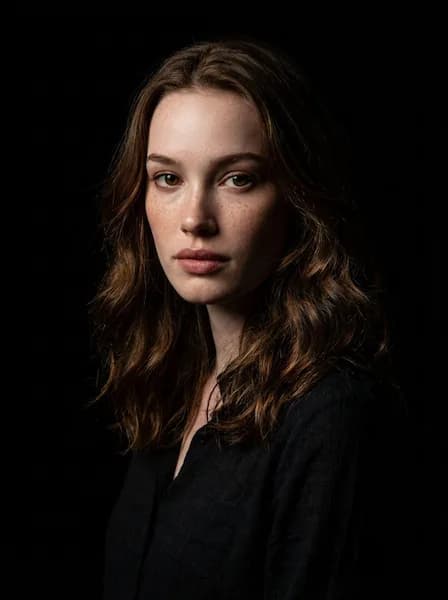
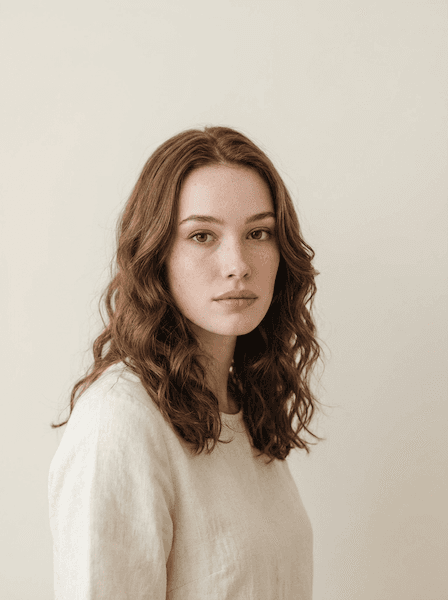
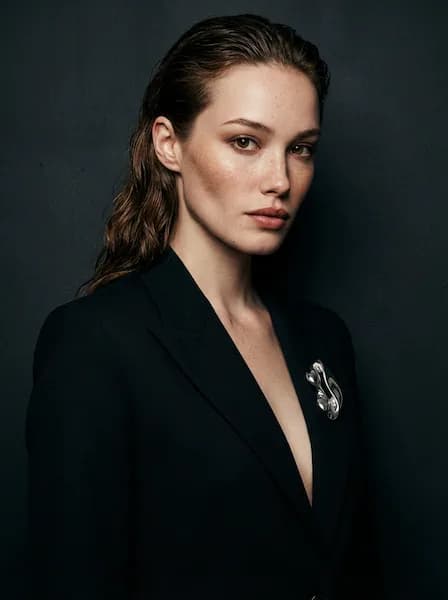
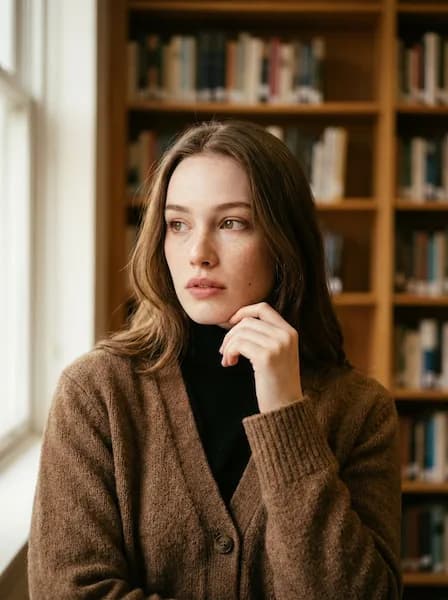
Powered by the world's best AI models
100+ models · commercial use included
The attorney bio is a conversion page, and your photo runs at the top of it.
Very few clients pick a lawyer cold. Someone gives them a name, or a search result does, and they look it up. Almost always they land on the firm bio: one page carrying a photograph, a list of bar admissions, practice areas, education, sometimes representative matters or reported results. Everything below the photo is evidence. The photo is what they see while deciding whether to keep reading, and it works before a single line of that evidence is processed.
This is why the photo has to be calibrated to what the page is selling. A litigator's bio is read by someone who wants to know this person will be composed and unyielding across a table from opposing counsel. An estate planning or family law bio is read by someone in the middle of a bad month, deciding whether they can sit in a room and say difficult things out loud. Those are different briefs, and the level stare that reassures the first reader can quietly put off the second.
The other thing that separates legal from most professions is how many places one photograph has to live. The firm site is only the start: there is the state bar profile, the lawyer directories clients search, a LinkedIn profile, a CLE panel listing, the partner grid, and whatever the local business journal used last time you were mentioned. One portrait in one style, used everywhere, is the cheapest consistency a practice can buy.
What goes wrong with attorney photos
Legal is a conservative field with long tenures, which is precisely why photos here go stale in a specific way.
The associate photo that outlived the associate
Someone joins as a second-year, gets photographed, and eight years later is a partner with a client list and the same picture. It still reads junior: brighter, softer, framed more casually than the partners around it. Nothing is wrong with it except that it argues against the title printed underneath.
A partner page assembled over eleven years
Three photographers, two office moves, one background that no longer exists. In a directory of twenty attorneys the mismatches are the first thing a prospective client notices, and the impression it leaves is of a firm that has not looked at its own website in a while.
Gravitas overshot into severity
Hard side light, a dark suit, a completely closed expression. It is the default instinct in legal and it is right for some practices. For family law, trusts and estates, immigration or plaintiff-side personal injury, it works against the person who has to decide whether to tell you something they are ashamed of.
Four listings, four different photos
The firm site was updated. The bar profile was not. A directory listing is running the photo from your previous firm, complete with their backdrop. A client who checks two sources sees two people, and the small friction that creates lands right at the moment they were about to call.
What a prospective client is deciding in four seconds
Legal services are bought under uncertainty. The client usually cannot evaluate the work, cannot compare quotes like for like, and often cannot say precisely what they need. What they can do is form a judgement about the person, and they do it fast, largely from the photograph, mostly without noticing.
That judgement is not really about competence, because the reader assumes competence from the admissions and the firm name. It is about fit: whether this lawyer is the right one to hold this problem. A photo that answers that does more for a bio page than another paragraph of practice-area copy.
- Would I want this person speaking for me in a room I am not allowed into?
- Do they look like they have handled a matter like mine before, more than once?
- Could I tell them the embarrassing part of the story?
- Is this firm as substantial as the rest of the website claims?
From one photo to a bio-page portrait
No half-day at a studio, and no waiting for the firm to book its next shoot.
Upload one photo
Upload one clear, front-facing photo. Even lighting, no sunglasses or hats, and a current likeness that a client would recognise when you walk in.
Choose a style
Pick Legal, or any of the 65 styles, then set lighting, background, attire and expression to match your practice area and the existing partner page.
Download your pick
Get up to four variations in about 30 seconds. Use one across the firm site, the bar profile and every directory listing so they finally agree.
Calibrating the portrait to your practice
Law is conservative on wardrobe and specific on tone. These are the settings that matter.
- Dark suit, and mean it
- Charcoal Suit or Navy Suit, white or pale blue shirt. Legal is one of the few fields where the traditional answer is still the correct one, and a bio photo in Business Casual reads as either very junior or very confident about a reputation the reader has not heard of. In-house counsel have more latitude.
- Let the practice area set the expression
- Confident and Serious Professional suit litigation, white collar defence, and transactional work where the client wants an immovable object. Approachable and Thoughtful suit family law, trusts and estates, immigration, employment and plaintiff-side work, where the first hurdle is whether someone is willing to talk to you at all.
- Light, in the same register
- Rembrandt and Dramatic build modelling and weight, which reads as seriousness. Soft Studio and Natural Window keep the face open and the shadows shallow. The mistake is choosing on aesthetics rather than on which client is reading the page. Pick the lighting after you have picked the expression, not before.
- Two backgrounds do almost all the work
- Neutral Grey is the standard for a partner grid because it is quiet and repeats well. Dark Elegant is more formal and suits a single-attorney bio or a firm whose site is already dark. Modern Office works if the existing set is environmental. Urban Brick and Nature Green almost never belong here.
- Look at the partner page before you generate
- Note the background, the crop height, whether people are shot straight on or at a slight angle, and how formal the dress is. Matching those four things is what makes a new portrait sit in an existing set instead of announcing itself. This matters most for an associate joining a page of long-tenured partners.
- Keep it a truthful likeness
- Attorney advertising rules across jurisdictions require that communications about a lawyer not be false or misleading, and a bio photo is a communication. Keep the result clearly recognisable as you, at roughly your current age and appearance, and avoid options that flatter past the point of accuracy. Check your own jurisdiction's rules if you have any doubt.
Styles that fit a legal bio
Four of the 65 studio styles, mapped to the tone different practices need to strike.
One sitting, six listings
The work of an attorney photo is not finished when the firm site is updated. It is finished when the bar profile, the directory entries, the LinkedIn page and the panel listings all show the same person in the same style, so a client who checks three sources sees one lawyer rather than three approximations.
Each run works from a single source photo and returns up to four variations, which makes that a one-sitting job. Generate the version calibrated to your practice, keep a second in reserve for anywhere the firm's house style does not apply, and refresh the set the next time your title changes.
Frequently asked questions
Keep looking around
Create your attorney headshot
One photo in, up to four variations out, in about 30 seconds.