

Build the look before the test shoot
Digitals stay digitals: unretouched, unposed, honest. Everything around them — portfolio concepts, beauty and editorial tests, moodboards, social, the reference you hand a photographer — is where a studio run pays for itself. One photo in, up to four images out, one style at a time.
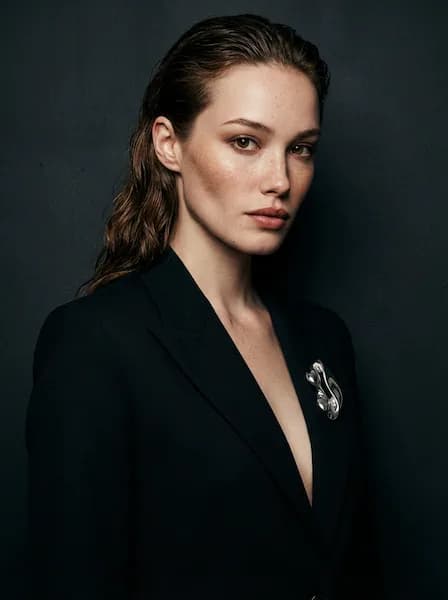
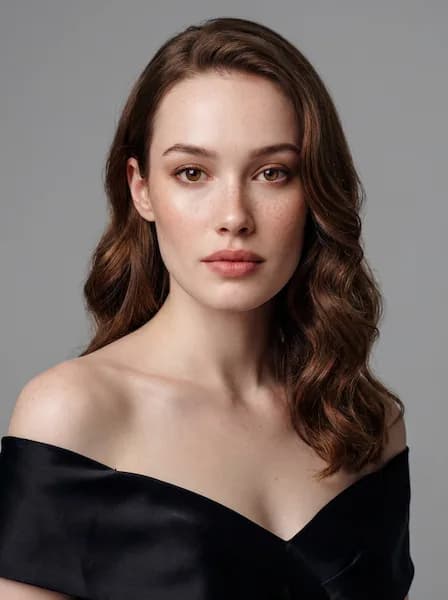
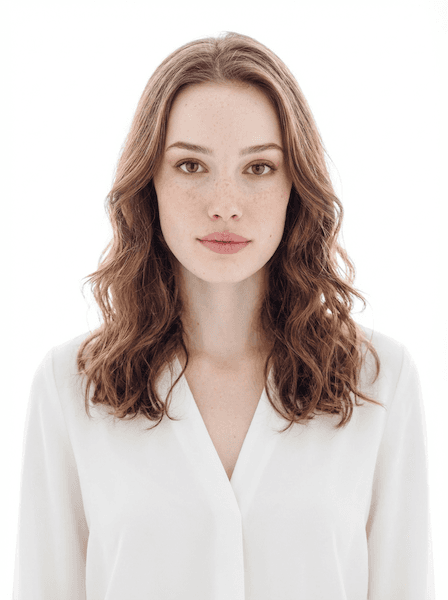
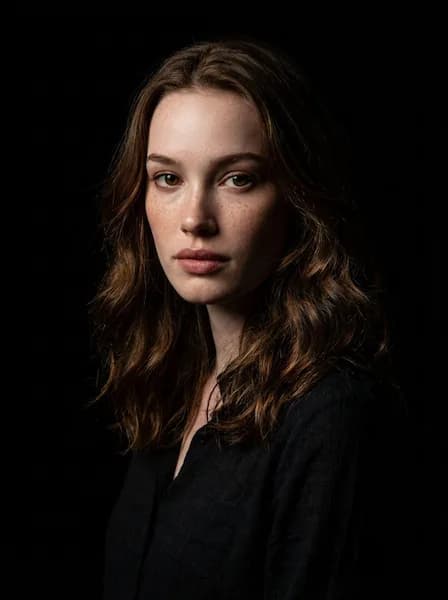
Powered by the world's best AI models
100+ models · commercial use included
Digitals are supposed to be unenhanced. That is the entire point of them.
Agency digitals — still called polaroids on most boards — are deliberately plain. No retouching, minimal or no makeup, hair down and flat, fitted clothing, a plain wall, natural light, front, side and back. They exist so a client can see your true proportions, your real skin and your face with nothing helping it. A generated image cannot do that job, and sending one in place of a digital is misrepresentation that gets discovered at the fitting rather than the submission. Shoot yours on a phone against a white wall, the way your agency asks, and redo them whenever you change.
With that settled, look at how much of a model's working life is not a submission. Concepting a beauty story before you commit to a test shoot. Building the moodboard you and the photographer argue over. Keeping a feed alive between jobs. Showing a makeup artist the exact thing you mean instead of the four adjectives you have for it. None of that is governed by an agency, and all of it costs a day and a favour.
That is what this is for. Upload one photo, pick one of 65 styles, set lighting, background, expression, attire, hair and framing, and get up to four images in about 30 seconds. Use them to think with, and increasingly to make with: a growing share of the strongest work models put out is self-produced, where you are the author rather than a candidate for a job.
Where the time and the money actually go
Your board handles the bookings. Almost everything around them lands on you.
A test costs a day and a favour
A test shoot is a photographer, a makeup artist, a stylist, a location and half a working day across five calendars, for images that may or may not earn a place in the book. The concept gets settled in a group chat and examined only once everyone is in the room.
One register on a board full of options
A profile shows a handful of images and a set of measurements. If every frame reads the same way — same light, same beauty direction, same energy — a client scanning against a brief has nothing to catch on. Range is the argument, and range is the expensive thing to shoot.
The book ages between jobs
A colour goes, a fringe gets cut on a job, you grow it out again. The images clients see come from a version of you that has moved on, and rebuilding the book is a project. Meanwhile the feed still needs feeding.
Retouching that goes past the person
Skin smoothed to plastic, jaw narrowed, eyes lifted. It flatters the frame and undermines you, because the client who books from that image meets someone else on the day. The move back to plain, unretouched digitals is a direct answer to that.
What a client is reading in your images
A booking usually begins with someone scrolling a board with a brief already in their head: a beauty campaign that needs skin, a denim lookbook that needs movement, an e-commerce day that needs twelve looks before lunch. They are matching, not admiring.
So the images around your digitals have a different job. Digitals prove what you are. Portfolio and test images argue what you can become. Confusing the two flattens a book, because it leaves a client with no idea what you would be like on set.
- Can this face carry beauty, where the skin is the product?
- Is there movement and character here, or only a well-lit stillness?
- How far apart are the softest and the sharpest image on this board?
- Does the person in the portfolio match the person in the digitals?
From one photo to a concept board
One source image per run, one style at a time, up to four frames to react to.
Upload one photo
Upload one clear, front-facing photo. Just the one — there is no training step, no set of images to gather, and no model of your face being built.
Choose a style
Choose a style, then set lighting, background, expression, attire, hair and framing. Editorial, Studio Glamour and High Key are the three worth running against each other first.
Download your pick
Get up to four images in about 30 seconds at the 3:4 default. Keep the frames that hold, drop them into the moodboard, and take the moodboard to the shoot.
Getting something usable out of a run
You are not producing final images. You are producing decisions and reference.
- Keep the two jobs separate in your head
- Digitals are a record: phone, wall, no makeup, no retouching, reshot whenever you change. Portfolio and concept images are an argument, and anything you generate belongs in that second column.
- Push the lighting further than feels comfortable
- Dramatic and Rembrandt carve a face and show what a strong editorial direction would do with your bone structure. Ring Light flattens everything forward into a beauty register. Golden Hour goes warm and commercial. Three different bookings, one run each.
- Treat the background as a casting decision
- Clean White is the beauty and e-commerce register. Dark Elegant reads luxury and fragrance. Soft Gradient sits in the commercial middle. Urban Brick and Outdoor Blur move you towards street and denim. Changing only the background is the cheapest range test there is.
- Move the expression, not just the styling
- Energetic reads as lifestyle and activewear. Thoughtful and Serious Professional read as editorial and campaign. Approachable and Friendly Smile read as commercial and catalogue. Expression usually does more work here than wardrobe.
- Frame it for where it is going
- Close Headshot for beauty concepts, where skin and eyes are the subject. Upper Body for the comp-card register. Environmental for social. The 3:4 default crops to most feeds without losing the top of the head.
- Hand the frames over instead of describing them
- Photographers and makeup artists work from reference all day. Four images showing light direction, background value, beauty direction and energy settle a concept in two minutes. Say plainly that they are generated reference rather than photographs, so nobody is confused about what they are looking at.
Four styles for portfolio and concept work
Four of the 65 studio styles, picked because each argues for a different kind of booking.
Two kinds of image, two purposes, no confusion between them
Hold the line and this stays simple. Your digitals get shot on a phone against a wall, sent exactly as they came out of the camera, and redone whenever you change. They are the honest record, and the reason a client trusts everything else you show.
Everything else — the concepts, the beauty tests, the moodboard, the feed, the reference you hand a photographer, the self-produced work carrying your name rather than a client's — is a creative surface, and creative surfaces reward iteration. Run a style, look at the four frames, keep one, go again.
Frequently asked questions
Keep looking around
Start a concept run
One photo in, up to four variations out, in about 30 seconds.