

Find your look before you book the shoot
Your casting headshot has to be the real, current, unretouched you — that is not negotiable and this does not replace it. What it replaces is the guessing beforehand: which type you are being seen for, whether the beard stays, dark background or light. Upload one photo and find out in an afternoon.
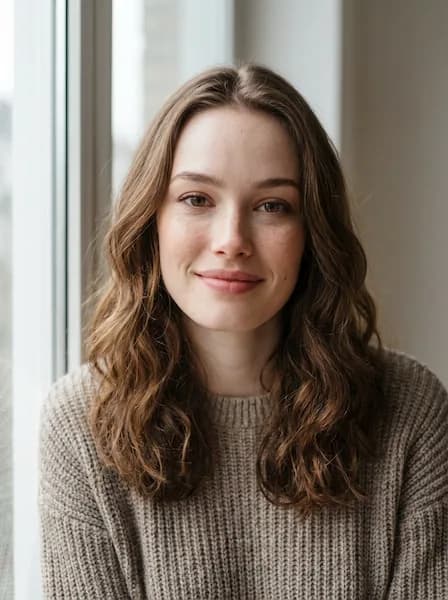
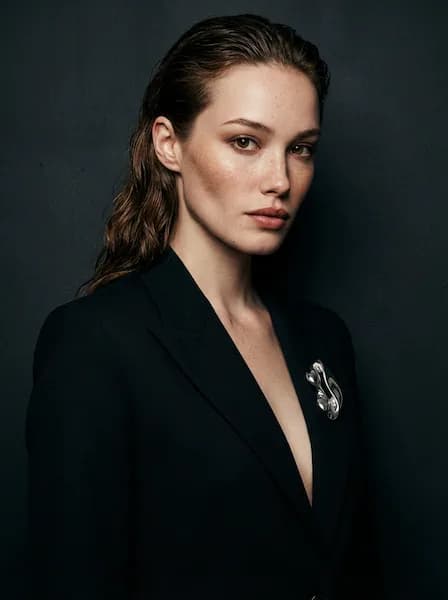
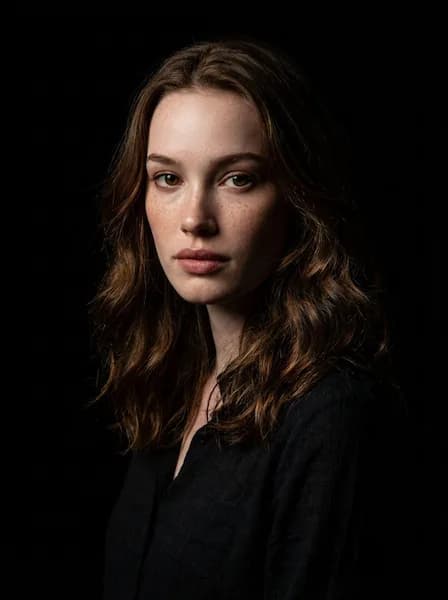
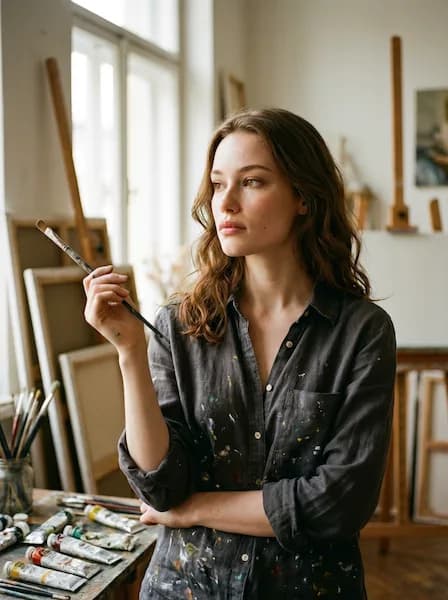
Powered by the world's best AI models
100+ models · commercial use included
Do not submit these to casting. Use them to decide what to shoot.
Start with the part most tools will not tell you. A casting headshot is a document, not a portrait. It exists so a casting director, an agent and a producer can be certain the person in the photograph is the person who walks through the door — at the weight you are now, with the hair you have now. Many agencies, casting platforms and performers' unions state plainly that AI-generated or heavily manipulated images are not acceptable submissions. Morphed does not change that, and nothing here argues it should.
What it does change is everything before the shoot. A session runs into the hundreds and often past a thousand, takes weeks to book and more weeks to come back retouched, and gives you one or two looks. Actors spend that and then discover, six submissions later, that the look they committed to is not the look they are being seen for.
So treat this as pre-production. Run your own photo through a style and see what the beard actually does. Put yourself on dark and on light and find out which one your face wants. Test the warm friendly-dad read against the cold corporate-antagonist read and notice which you can hold. Then bring the frames you like to your photographer as a brief, and arrive knowing what you are there to get.
The friction nobody budgets for
None of it is about photography. It is about what the industry does with your picture.
The shoot is one expensive decision
You book weeks out, pay up front, shoot two or three looks in a morning, and wait on retouching. Every choice inside that morning — the shirt, the wall, the expression, how much beard — is locked by the time the files land.
You are submitted for more types than you have looks for
One breakdown wants a detective. The next wants a tired young father. The next wants the person from legal who ruins everyone's week. Your agent sends the same image to all three. Knowing which two or three types you land in is the difference between a targeted submission and a hopeful one.
Headshots go stale before you replace them
Hair changes, weight changes, you age into a different bracket. Most actors know their photo is a year or two behind and send it anyway, because reshooting is a project rather than a task. The cost is small and constant: a room expecting someone slightly different.
Retouching that oversteps
The scar, the gap in the teeth, the lines around the eyes are often the exact things that make you castable. A heavy retouch sands them off and produces a photograph of a pleasant stranger. That is the "who is this" moment at the top of an audition.
What gets read before anyone reads your name
A casting director working through a submission list is looking at hundreds of thumbnails against a one-line brief. Your photo is not being appreciated. It is being sorted. The only question it answers is whether you plausibly live in the world of this project.
Which is why type, not flattery, is the organising idea. The most useful headshot makes an obvious argument about who you are, and turns out to be true when you arrive.
- What is this person's type, and does it match the line in the breakdown?
- Is something happening behind the eyes, or is this a held pose?
- Does the photo look like the person, or a lit and retouched version of them?
- Is this current, or an image from an earlier decade of their life?
How a look test runs
One photo per run, one style at a time, and a set of frames you can lay side by side.
Upload one photo
Upload one clear, front-facing photo of yourself as you look right now. One is the whole input — there is no training step and no set of selfies to gather.
Choose a style
Pick a style, then set lighting, background, expression, attire and framing. Change a single variable at a time if you are testing a specific question.
Download your pick
Get up to four images in about 30 seconds. Put the runs next to each other and decide what you are actually booking your photographer to shoot.
How to run a test that gives you an answer
Treat this as pre-production. The output that matters is the decision at the end.
- Change one thing per run
- If the question is whether the beard stays, hold everything else still: same style, lighting, background, expression. Two runs that differ in one variable give you an answer. Two runs that differ in five give you an opinion.
- Settle dark against light early
- Dark Elegant and Clean White pull in opposite directions and most faces have a clear preference. Run both first: background value quietly decides how serious, how warm and how contemporary the whole image reads.
- Let expression carry the type
- Confident and Serious Professional push towards authority and antagonists. Friendly Smile, Approachable and Thoughtful push towards warmth and the person other characters confide in. Expression moves you across the casting board faster than wardrobe does.
- Frame for the use, not out of habit
- Close Headshot gives the tight theatrical read. Upper Body suits a website header or a workshop listing where wardrobe is part of the story. Environmental works for social. The default is 3:4, the shape most actor sites expect.
- Keep it recognisable or throw it out
- Would someone who saw you last week identify you without pausing? If a run drifts — softer jaw, cleaner skin, younger eyes — it has stopped being reference and started being fiction. Discard it and generate again.
- Take the frames to your photographer
- Photographers are used to reference and generally prefer it. Four frames showing the light, the background value, the wardrobe weight and the expression do more for a session than an hour of describing it.
Four styles worth testing yourself in
Drawn from the 65 studio styles, chosen because they read a face in four different ways.
Arrive at the studio knowing what you are there to get
The shoot is still the shoot. A photographer who works with actors will catch things in your face you cannot see from inside it, and the file you submit should come out of that room, retouched no further than honesty allows.
What you can stop paying for is the discovery. Spend an afternoon finding your two or three types, settling the background value and answering the beard question. Then book the session, hand over your reference frames, and put the rest where it belongs: your site, your socials, your self-tape thumbnails.
Frequently asked questions
Keep looking around
Test your look
One photo in, up to four variations out, in about 30 seconds.