

Judged against a standard, not against a trend
Airline application portals frequently ask for a professional photograph, and it is read by people whose working life is assessing conformity to a published standard. Upload one clear photo and get a conventional, conservative portrait — the register aviation recruitment actually expects.
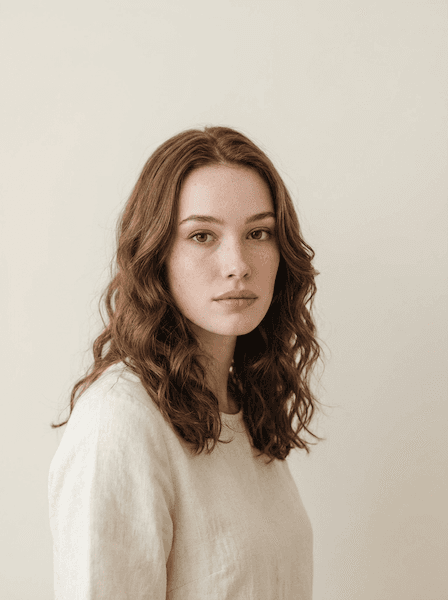
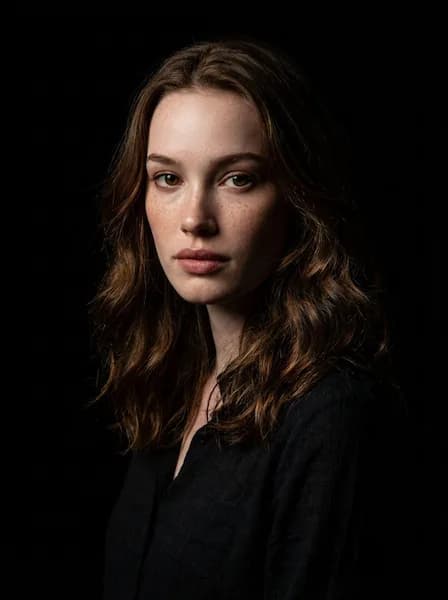
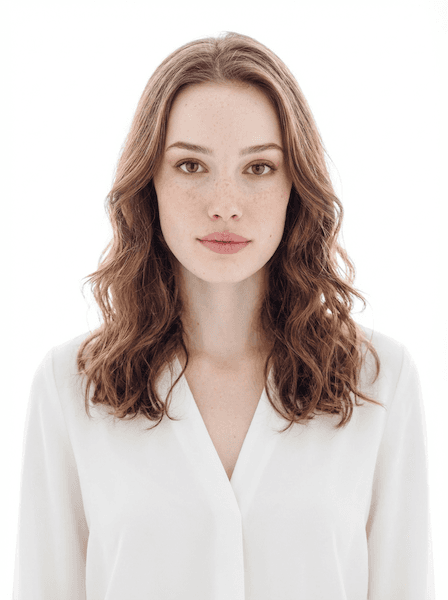

Powered by the world's best AI models
100+ models · commercial use included
One of the last fields where presentation is read as discipline
Most professions have quietly given up on the idea that how you present yourself says anything about how you work. Aviation has not, and the reason is not vanity. It is a field built around checklists, standard operating procedures, currency requirements and a culture in which deviating from an agreed standard is the thing that gets examined. Grooming and presentation sit inside that culture rather than beside it. A recruiter looking at an application photograph is not assessing your taste. They are reading, consciously or otherwise, whether you look like somebody who meets a standard without needing to be reminded twice.
The process reinforces it at every stage. Airline hiring remains one of the most conventional recruitment pipelines left anywhere: a structured application portal that often includes a photograph field, document uploads for licence and medical, a technical assessment, a simulator ride, and a competency-based interview scored against published behavioural markers by a panel that usually includes a line pilot. It is a format with very little space for individual expression, and an application photograph that tries to express something is working against the process rather than with it.
So the recommendation here is deliberately unexciting: a plain background, conventional business attire, neat grooming, a composed expression, nothing else in the frame. It is worth stating plainly that Morphed's 65 styles do not include an aviation uniform, and that the studio will not put you in epaulettes. If an operator specifically requires a photograph in uniform, have one taken in your own actual uniform. For everything else, a conventional business portrait is the correct answer, and one photo produces up to four of them in about thirty seconds.
The photos that get submitted anyway
Each of these is common in a hold pool, and each is a small unforced deviation from a format that rewards doing the expected thing well.
The flight-line snapshot
High-vis vest, sunglasses pushed up onto the forehead, a wing or a propeller in frame, taken by another student on a good weather day. It is a genuinely happy photograph and it belongs in a logbook, not in an application portal. To an assessor it reads as somebody wanting to show that they fly, rather than somebody submitting a document, and the aircraft behind you says nothing the hours in your file have not already said.
A uniform that is not yours
Wearing another operator's uniform in an application to a competing airline is a recognised misstep, and appearing in rank markings you have not been awarded is a worse one. Aviation is a small world with a strong sense of earned rank. Four bars on a first officer, or a hat and epaulettes on a cadet who has not started line training, is exactly the kind of detail a panel notices and does not forget.
The cadet with nothing at all
Two hundred hours, no uniform, no employer, no professional photograph ever taken, and an application to a cadet scheme that will receive several thousand others. The instinct is to borrow something aviation-flavoured to fill the gap. The better answer is a plain, well-executed business portrait, which is a completely normal thing for an applicant without a flying employer to submit and reads as composed rather than eager.
The crew page nobody has updated
Instructors, charter and corporate pilots often appear on an operator or flight school website beside their ratings and experience. Customers choosing a charter provider read that page, and so do parents choosing where to send a student. A grid in which two pilots have proper portraits and the rest have cropped hangar photos quietly undercuts an operation whose entire proposition is that it runs to a standard.
What an assessor is reading
The photograph is not a selection criterion and no airline will describe it as one. What it does is set an expectation before the rest of the file is read, and in a process designed to reduce several thousand applications to a workable pool, early expectations are hard to reverse. The thing being read is fit with a conservative professional culture — not charisma, not individuality, not creative judgement, none of which the application photograph is being asked to demonstrate.
The same reading happens well outside formal hiring. A large share of aviation networking runs through type-rating groups, base transfer chatter, flight-school alumni networks and professional profiles, where your picture is often the only thing a captain at a target airline has seen of you before your name comes up in a conversation about a recommendation. That is a good argument for a portrait that would look correct in a company document rather than one that looks correct on a social feed.
- Does this person look like they would meet a grooming standard unprompted?
- Is this a document submitted to a process, or a picture chosen for effect?
- Are rank, uniform and employer being represented accurately?
- Would this photograph look right on a company ID, a crew page or an operations file?
From one photo to an application portrait
Useful the week before a closing date, and equally useful for a crew page two years out of date.
Upload one photo
Upload one clear, front-facing photo of yourself. Even light, eyes visible, no sunglasses, no hat, and recent enough to match how you will look at interview.
Choose a style
Pick Corporate Classic, or any of the 65 styles, and set lighting, background, attire and expression to suit the operator you are applying to.
Download your pick
Get up to four variations in about 30 seconds. Choose the most conventional result, then check the portal's format and file size requirements before uploading.
The conventional brief, in detail
This is a field where the safe answer is the correct answer, so the guidance is unusually prescriptive.
- Business attire, dark and plain
- Navy Suit or Charcoal Suit with a white shirt is the civilian register closest to what aviation expects, and it is the right default for an airline application. Business Casual is acceptable for a flight school or a corporate charter crew page. Creative Casual, Polo and Turtleneck are all wrong here — they read as somebody who has not read the room, which is the specific criticism this profession punishes.
- Do not simulate a uniform
- There is no aviation uniform among the 65 studio styles, and generating something approximating one would be a mistake even if there were. Epaulettes, wings and rank bars are awarded, and a portrait implying rank you do not hold unravels badly in a room containing a line pilot. If a photograph in uniform is genuinely required, have one taken in your own, with the markings you actually hold.
- Grooming, deliberately conventional
- Neat and Polished hair. Facial hair trimmed and tidy, bearing in mind that many operators publish grooming standards and some restrict beards for oxygen mask sealing reasons. This is not a page arguing that every one of those conventions is right. It is a page pointing out that an application photograph is the worst available place to make an argument against them.
- A plain background and nothing else in the frame
- Clean White, Neutral Grey or Soft Gradient. No aircraft, no flight deck, no hangar, no runway, no sky. The assessor already knows you fly; that is what the licence, the medical and the hours are in the file for. The background's only job is to be absent, which is also what makes one portrait usable on a portal, a crew page and a company ID in the same year.
- Composed, not warm, not stern
- Serious Professional and Confident are the two expressions that fit. A smile is not wrong, but the register that lands is the one you would use introducing yourself to a cabin over the PA: calm, measured, unhurried. Energetic reads as the wrong temperament for the job outright, and this is one of the few professions where that is a genuine judgement being made about you.
- Match the portal, not your camera roll
- Application systems usually specify a format, an aspect ratio and a maximum file size, and some ask for a passport-style head-and-shoulders composition on a light background. Generate at the 3:4 default with Close Headshot framing, then crop to whatever is asked for. Read the requirement before you generate rather than after, because it occasionally changes the framing you want.
Styles that fit the aviation register
Four of the 65 studio styles. None of them are uniforms, and that is deliberate.
Boring is the correct outcome
It is worth being clear about what a good aviation portrait achieves. It adds nothing to your file. Your hours, type experience, licence, medical, sim performance and the way you brief a scenario under pressure are what decide the outcome, and no photograph moves any of them. What a conventional portrait does is remove one small distraction from a process actively looking for reasons to shorten a pile, and let the rest of the application be read on its own terms.
The practical approach is to generate a set, pick the most conventional result rather than the most flattering one, and keep it for the whole application cycle so the picture on the portal, the crew page and your professional profile is unmistakably the same person. Regenerate on a command upgrade, on a move to a new operator, or when your appearance has changed enough that a panel would notice the gap between the file and the person in front of them.
Frequently asked questions
Keep looking around
Create your aviation headshot
One photo in, up to four variations out, in about 30 seconds.