

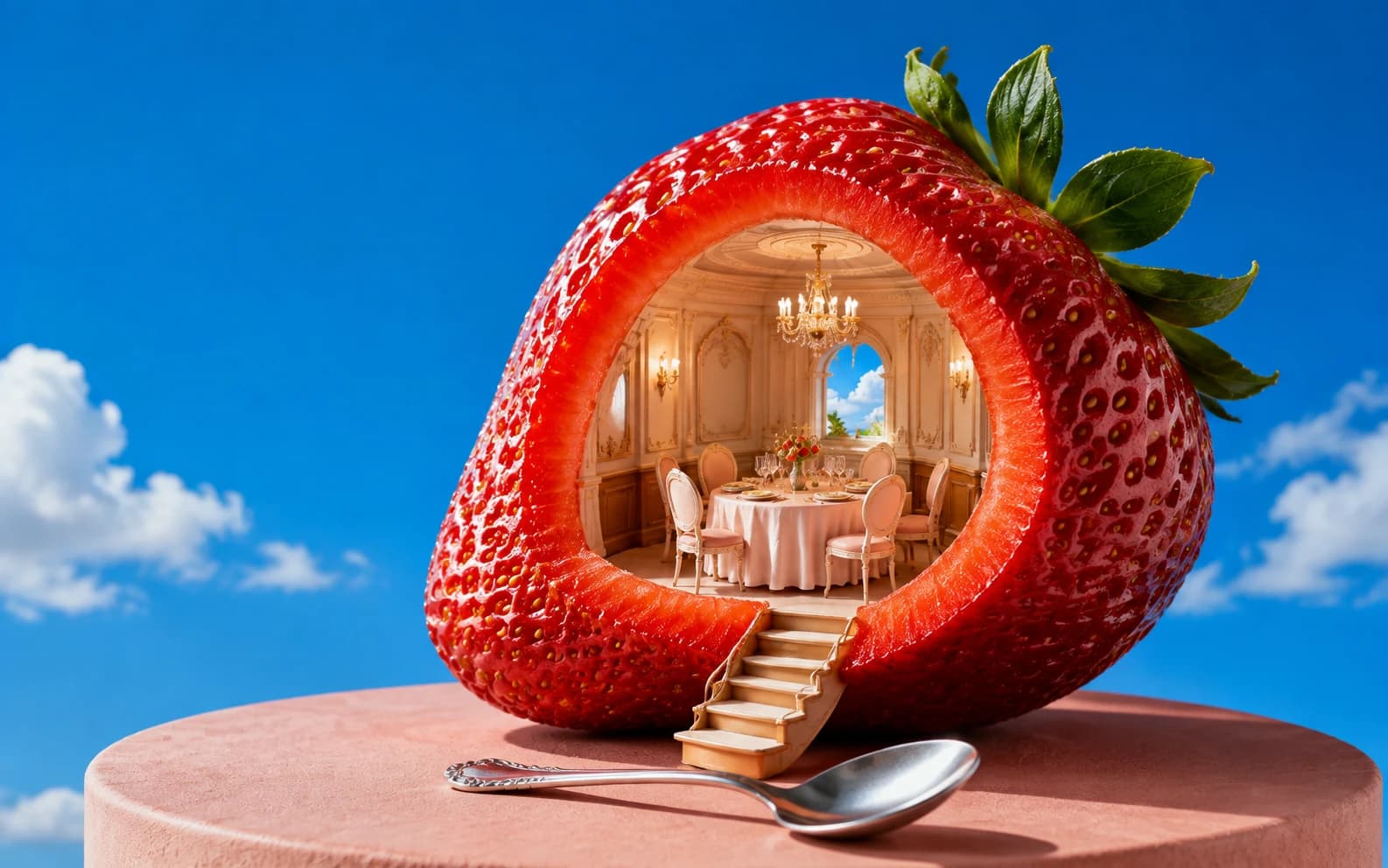
Nano Banana generates restaurant-quality food images from text prompts, rendering glossy sauce drips, visible steam, condensation on cold glasses, and the specific crunch-texture of a fresh salad. These 20+ prompts cover every major food photography style with the exact lighting setups, surface materials, and composition techniques that professional food stylists use. These prompts are written for Morphed's Nano Banana 2 model.
What this guide covers:
- 20+ copy-paste prompts across six categories (flat lays, macro, restaurant plating, drinks, desserts, advanced techniques)
- Lighting cheat sheet with specific prompt phrases for side, back, 45-degree, diffused, tungsten, and moody setups
- Texture and material techniques for rendering steam, condensation, melting, dripping, and crust detail
- 5 common mistakes that produce flat, unappetizing food images and how to fix each one
- Lighting comparison notes on how lighting direction changes food photography results
For the full model overview, see our complete Nano Banana prompts guide. For product-focused food styling (packaged goods, ecommerce), see Nano Banana prompts for product photography. For text on food packaging and menus, see our Nano Banana 2 prompts guide.
Why Does Nano Banana Excel at Food Textures?
Food imagery needs to make viewers hungry, and that depends on micro-details most AI models miss. Nano Banana renders oil sheen on roasted vegetables, condensation droplets on a cold glass, the crumb structure inside a torn croissant, and steam wisps rising from a bowl of ramen. It understands that appetite appeal comes from moisture, warmth, and controlled color saturation rather than generic "bright" processing.
Nano Banana 2 adds readable text rendering for menu mockups, food packaging labels, and restaurant branding. Both models are available on Morphed. For prompting across other categories, see our guides on professional headshots, product photography, and social media content.
Which Lighting Setup Should You Use for Each Dish?
Lighting makes or breaks food photography. The same dish can look appetizing or flat depending entirely on how light hits the surface. Professional food photographers choose their lighting based on the dish type, and Nano Banana understands all of them when you specify the direction and quality.
| Lighting Setup | What It Does | Best For | Prompt Phrase |
|---|---|---|---|
| Side light | Creates texture shadows, adds dimension | Most dishes, baked goods, grilled meats | "Side lighting from the left at 45 degrees" |
| Backlight | Creates glow, highlights steam and edges | Drinks, soups, steaming dishes, honey | "Backlight from behind, soft glow" |
| 45-degree key light | Balanced texture and color, studio standard | General food photography, editorial | "Key light from upper left at 45 degrees" |
| Soft diffused | Even, flattering, social-media-ready | Flat lays, breakfast spreads, salads | "Soft diffused natural window light" |
| Warm tungsten | Cozy, restaurant atmosphere, golden tones | Comfort food, bread, pasta, candle-lit scenes | "Warm tungsten restaurant lighting, 3200K" |
| Moody/dark | Dramatic, fine dining aesthetic | Plated dishes, chocolate, steak, wine | "Dark moody lighting, single directional source" |
The most important rule: Never use "good lighting" or "nice lighting" in a prompt. These tell the model nothing. Specify the direction, quality, and color temperature every time. Adding a color temperature like "5500K daylight" or "3200K warm tungsten" gives Nano Banana a precise reference that produces noticeably more realistic color rendering.
How to Shoot Overhead Flat Lays That Get Shared
Overhead and flat lay food shots arrange dishes from above for a clean, shareable look. They dominate Instagram, Pinterest, and recipe blog content because they show the full composition and are easy to format for social media grids. The key is even lighting to avoid harsh shadows.
Prompt: "Overhead flat lay of avocado toast with poached egg, cherry tomatoes, and microgreens on rustic wooden board, soft diffused natural light from window, warm earth tones, food blog style, minimal shadows, shot on 35mm lens"
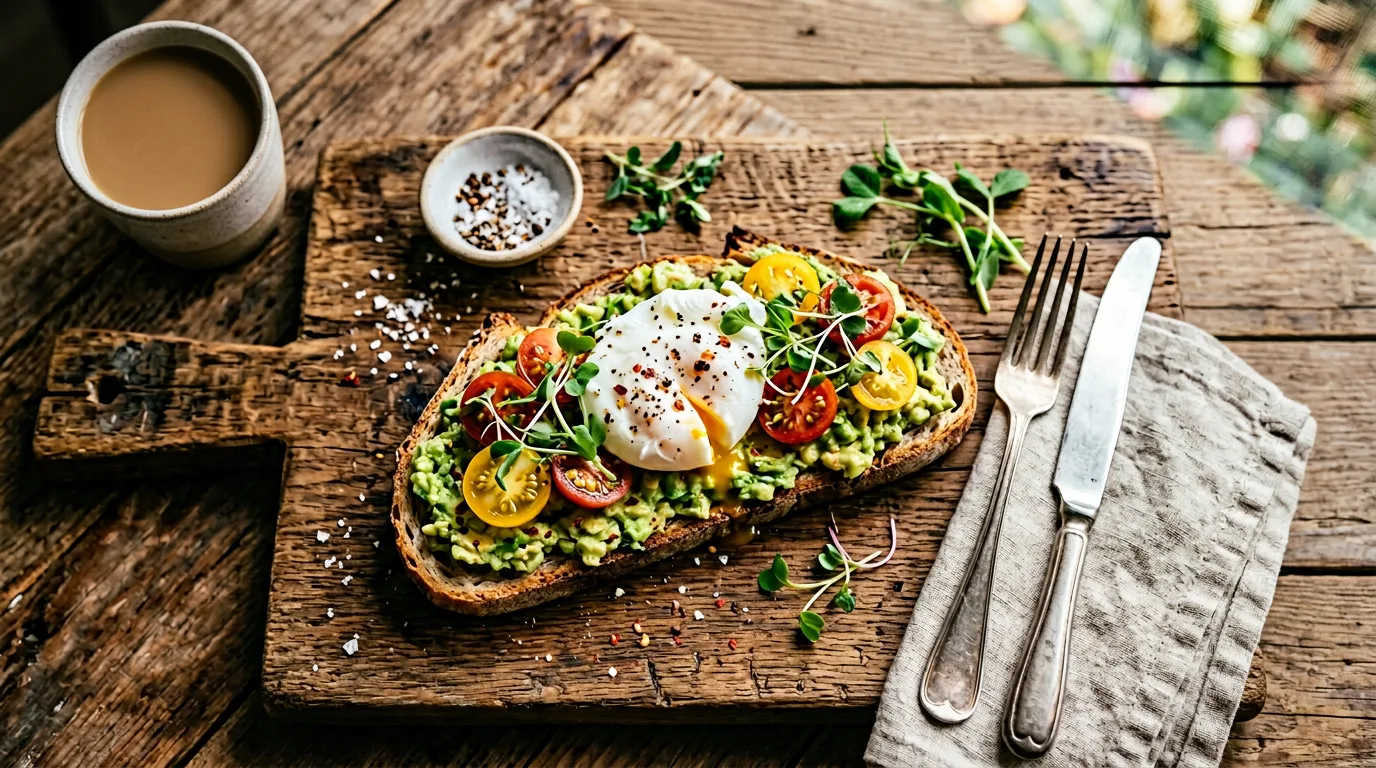
Flat lays need even lighting to avoid harsh shadows. "Food blog style" aligns with the aspirational, lifestyle aesthetic of popular food content. The specific ingredients (poached egg, cherry tomatoes, microgreens) give Nano Banana concrete elements to render rather than leaving it to guess.
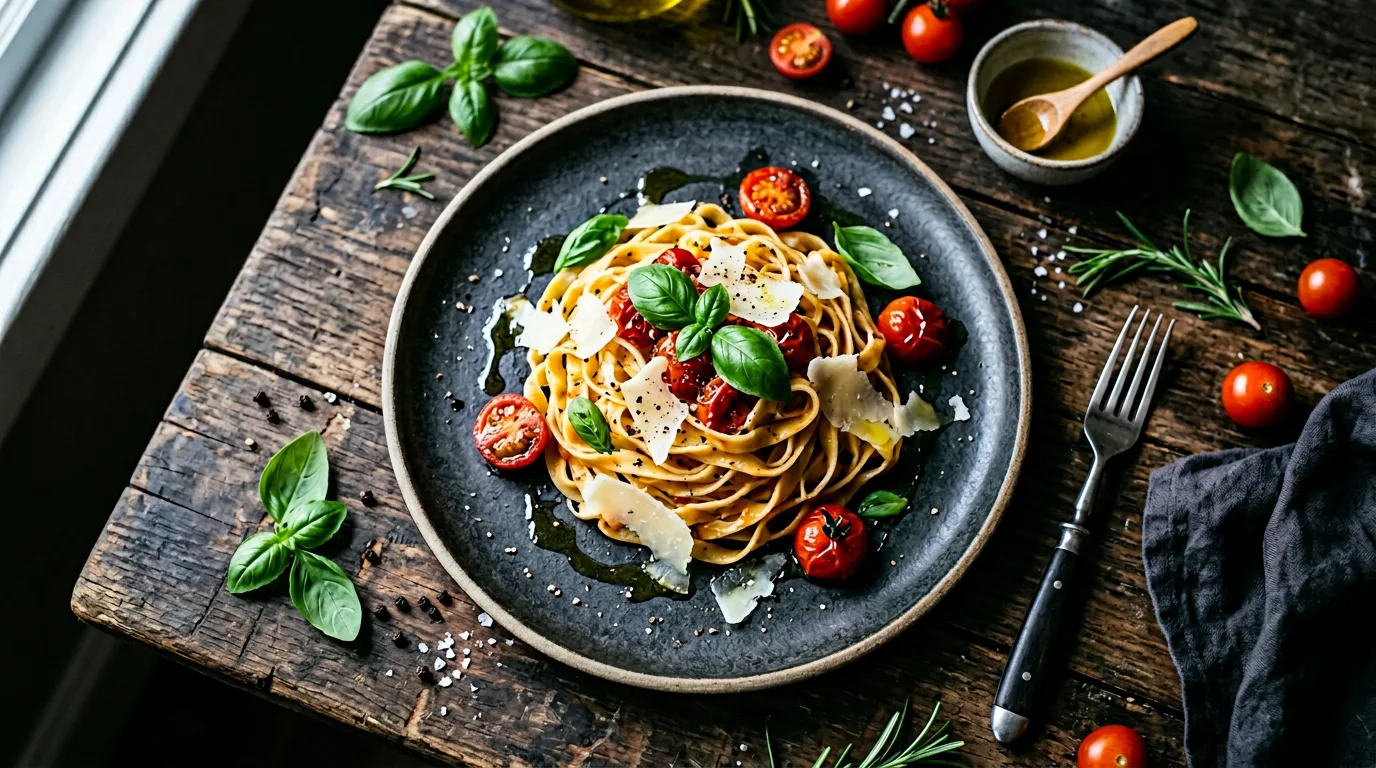
Prompt: "Top-down shot of colorful Buddha bowl with quinoa, roasted vegetables, chickpeas, and tahini drizzle, arranged in sections on ceramic bowl, soft overhead lighting at 5500K daylight, healthy food photography, vibrant but natural colors, 35mm equivalent"
Buddha bowls are highly shareable. Sectioning the ingredients creates visual order. "Vibrant but natural" avoids oversaturated, artificial-looking colors that make food seem processed. The daylight color temperature keeps greens and reds looking accurate.
Prompt: "Flat lay of breakfast spread: croissants, fresh fruit, yogurt parfait, and coffee on light linen tablecloth, morning sunlight from the left, soft shadows, lifestyle food photography, negative space for text overlay"
Prompt: "Overhead shot of charcuterie board, variety of meats, cheeses, olives, nuts, and dried fruits on a dark wood board, fig halves and honey dipper, warm ambient lighting at 3500K, entertaining and luxurious mood"
Prompt: "Minimal flat lay of two espresso cups on travertine surface, a single biscotti between them, harsh morning sunlight creating long diagonal shadows, minimalist food photography, negative space, shot on 50mm lens f/8"
This last prompt uses deliberate shadows as a compositional element rather than trying to eliminate them. Professional food photographers use this technique, but most AI prompters avoid it. The high f-stop (f/8) keeps everything sharp in a flat lay, which is correct because overhead shots need uniform focus.
What Makes Macro Food Shots Trigger Appetite Response?
Close-up and macro shots emphasize texture, moisture, and detail. These are the elements that make food look irresistible. Macro food photography works because it shows the viewer details they would see right before taking a bite: the glossy surface of a sauce, the steam carrying aroma, the melt of butter into a warm surface.
Prompt: "Extreme close-up of chocolate lava cake with molten center oozing out, fork piercing the cake, soft warm side lighting, shallow depth of field at f/2.8, dessert photography, rich browns and golds, 85mm macro lens"
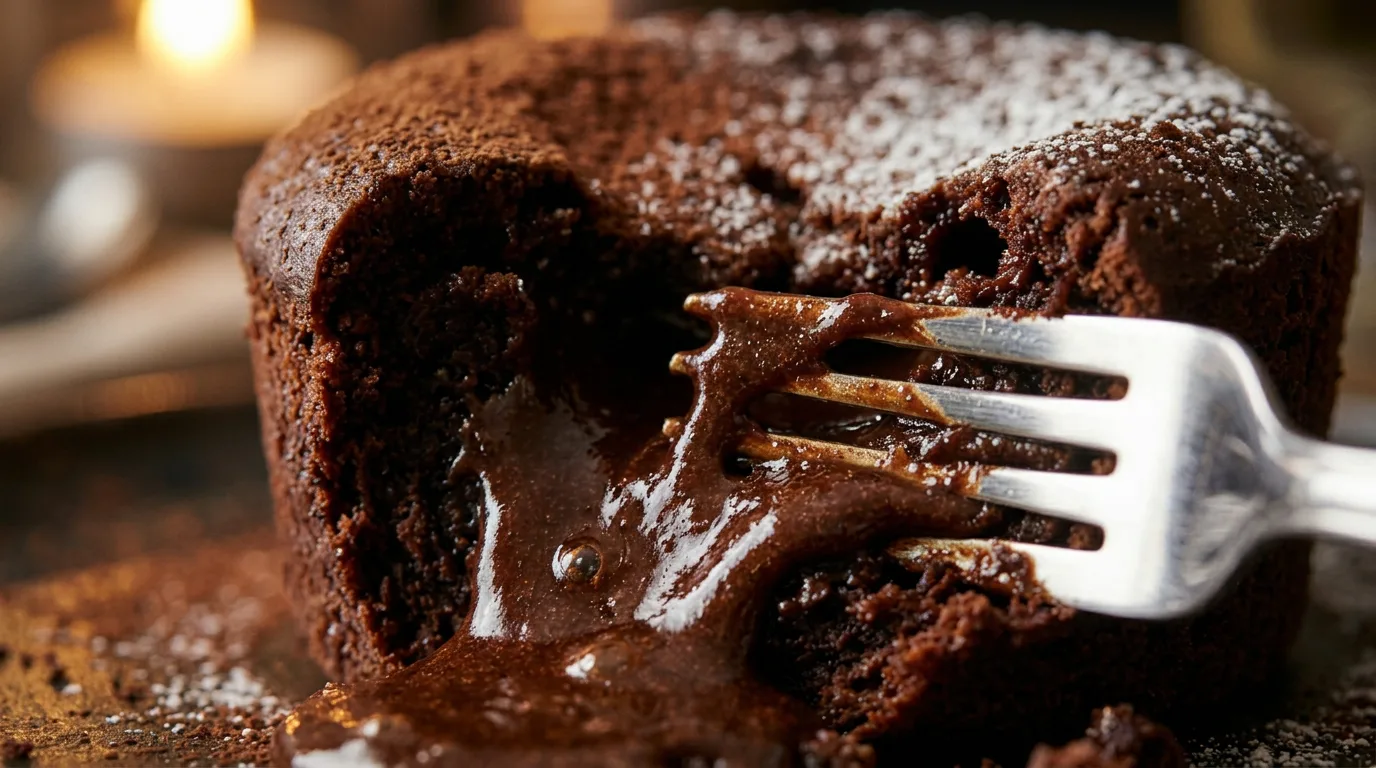
The oozing center creates motion and appetite appeal. Side lighting reveals the texture of the chocolate surface. "Shallow depth of field at f/2.8" keeps focus on the hero element while the background blurs softly. The 85mm lens reference produces the flattering compression that professional food photographers use.
Prompt: "Macro shot of honey dripping from dipper onto golden pancakes, single thread of honey stretching, soft morning backlight making honey glow and translucent, food photography, appetizing and glossy, 100mm macro"
The backlight is critical here. It makes honey translucent and glowing, which is why professional food photographers always shoot honey against the light. Including "single thread stretching" gives Nano Banana a specific micro-detail to render rather than a generic drizzle.
Prompt: "Close-up of freshly sliced heirloom tomato with seeds visible, extra virgin olive oil drizzle catching light, flaky Maldon salt crystals on surface, torn basil leaves, Italian cuisine style, natural side lighting at 5500K, sharp focus on texture"
Prompt: "Macro shot of sourdough bread crust, visible air pockets and flour dusting, warm side light creating texture shadows across the crumb structure, bakery photography, artisan bread aesthetic, shallow depth of field, 85mm f/2.8"
Prompt: "Close-up of grilled ribeye steak surface, char marks and Maillard crust visible, melting herb compound butter on top, rendered fat glistening, single directional light from upper left, fine dining food photography, 100mm macro lens"
Naming the specific visual detail (Maillard crust, rendered fat glistening, compound butter) pushes Nano Banana to render the exact textures that make meat photography convincing. Vague descriptions like "cooked steak" produce generic results.
How to Style Restaurant and Fine Dining Plating
Restaurant and plating shots showcase dishes as they would appear in a fine dining or upscale casual setting. The composition is more structured, the lighting more controlled, and the mood more deliberate than casual food photography.
Prompt: "Elegant plating of seared scallops with pea puree and microgreens, white ceramic plate on dark slate surface, soft diffused key light from upper left, fine dining photography, minimalist composition, shallow depth of field at f/4"
Fine dining favors clean plating and controlled lighting. "Minimalist composition" keeps the dish as the hero without cluttered props.
Prompt: "Restaurant-style steak with herb butter melting on top, char marks visible, side of roasted vegetables in a cast iron skillet, warm tungsten lighting mixed with candle ambience, editorial food photography, rich and appetizing, shot on 50mm f/1.8"
Prompt: "Ramen bowl with soft-boiled egg halved showing runny yolk, nori, chashu pork, and green onions, steam rising from broth, dark wooden table, moody side lighting from the left, Japanese cuisine photography, 85mm lens"
Steam adds life and freshness to any warm dish. Specifying "runny yolk" is the kind of concrete detail that Nano Banana translates into convincing output. Vague descriptions like "egg" produce a hard-boiled egg just as easily.
Prompt: "Michelin-style dessert plating, deconstructed tiramisu with coffee gel dots, mascarpone quenelle, and cocoa powder dusting, white plate with ample negative space, single soft overhead light, fine dining food editorial, shot on Canon EOS R5"
How to Light Drinks and Beverages for Maximum Appeal
Drinks need condensation, transparency, and appealing color. The way light passes through liquid is what separates professional drink shots from amateur ones. The universal rule: backlight drinks to make them glow, never front-light them.
Prompt: "Glass of iced coffee with cream swirl mid-pour, condensation droplets on glass surface, wooden table, soft natural backlight from window making liquid glow amber, beverage photography, refreshing and inviting, shallow depth of field"
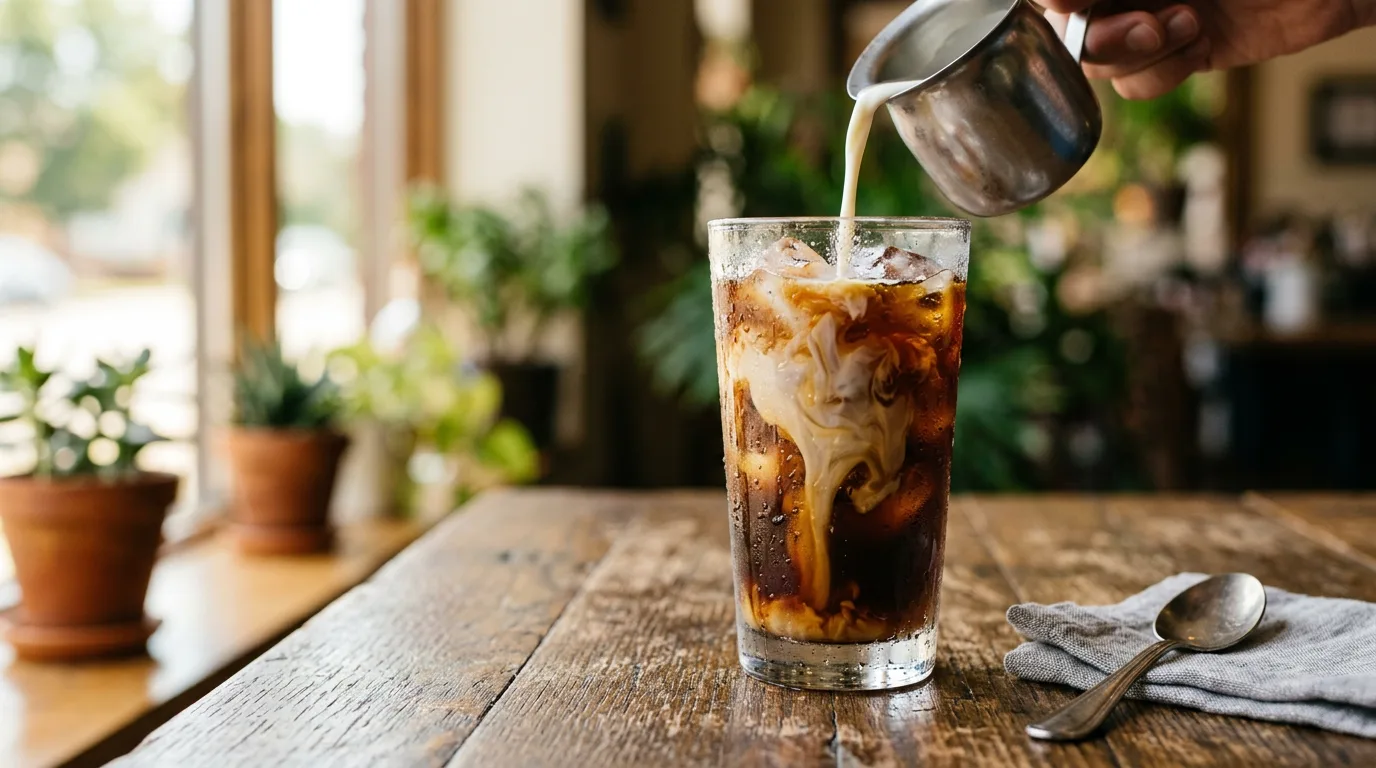
Backlight is essential for drinks. It makes liquid translucent and appealing. Side light makes drinks look opaque and dull. The "cream swirl mid-pour" creates a dynamic moment that static compositions cannot match.
Prompt: "Craft cocktail with citrus garnish in coupe glass, dark moody background, rim light on glass edge catching condensation beads, bar photography style, sophisticated and elegant, shallow depth of field at f/2.0, 85mm lens"
Prompt: "Fresh smoothie in mason jar with straw, colorful layers of mango, berry, and spinach visible through glass wall, morning light from window, healthy drink photography, vibrant but natural colors, 50mm lens"
Prompt: "Espresso being pulled from a portafilter into a white cup, crema forming on surface, warm cafe lighting at 3500K, coffee culture photography, close-up action shot, slight motion blur on the stream"
Prompt: "Glass of red wine with visible legs on glass, backlit to show deep ruby color through the wine, dark background, single directional light from behind, wine photography, elegant and luxurious, 100mm macro"
What Techniques Work Best for Baked Goods and Desserts?
Baked goods benefit from warm lighting, visible texture, and a sense of indulgence. The key is rendering convincing crusts, flaky layers, and melted elements. Warm color temperature (3200-3500K) sells baked goods better than neutral daylight because it matches the golden tones viewers associate with freshly baked food.
Prompt: "Fresh croissants on a wooden cutting board, flaky layers visible where one is torn open revealing honeycomb interior, butter glaze catching side light, warm morning sunlight at 3500K, bakery photography, golden brown tones, 85mm f/2.8"
"Torn open" is a food styling trick. Showing the inside of baked goods reveals the texture and makes them look more appetizing and real. Including "honeycomb interior" gives Nano Banana a specific structure to render rather than a generic bread cross-section.
Prompt: "Slice of cheesecake with berry compote drizzle on plate edge, cream cheese texture visible in cross-section, white plate on marble surface, soft diffused lighting, dessert photography, indulgent and elegant"
Prompt: "Chocolate chip cookies stacked on a plate, gooey melted chocolate visible in the break of the top cookie, warm tungsten lighting at 3200K, homemade aesthetic, comfort food photography, shallow depth of field"
Prompt: "Cinnamon rolls in a cast iron skillet, cream cheese icing dripping down the sides, overhead shot, warm kitchen light from window, comfort baking photography, cozy and inviting atmosphere, 35mm lens"
How Lighting Direction Changes Everything
Testing the same food compositions through Nano Banana with only the lighting direction changed — front light, side light from left, backlight, 45-degree key light, and overhead diffused — confirms what professional food photographers know but most AI prompters ignore.
Front light produces the worst results. Dishes look flat, with no visible texture and no depth. Avocado toast loses all dimension in the egg. Chocolate cake looks like a matte brown disc. Iced coffee looks opaque.
Side light produces the best results for solid foods. It creates texture shadows on the toast, visible crumb structure on the cake, and surface detail on every dish.
Backlight wins for drinks and liquid-forward dishes. It makes iced coffee glow amber, turns honey on pancakes translucent and golden, and makes steam visible and dramatic.
45-degree key light is the most consistently good option across all categories. This is the safe default when you are not sure which lighting to use.
Overhead diffused light works best for flat lays only. It eliminates shadows, which is desirable for top-down compositions but makes 3/4-angle shots look lifeless.
The takeaway: specifying lighting direction in your prompt produces a larger quality improvement than any other single change, including adding camera specs, style references, or detailed ingredient descriptions.
5 Mistakes That Ruin AI Food Photography
1. Front Lighting Flattens Every Dish
Front lighting (light coming from behind the camera toward the food) flattens texture and makes food look like a catalog mugshot. Always use side light, backlight, or 45-degree light. This single change transforms food photography outputs more than any other adjustment. Front-lit images consistently come out least appetizing compared to side- or back-lit versions.
2. No Hero Element Creates Static Images
Every food photo needs one element that draws the eye: the oozing yolk, the dripping honey, the melting butter, the steam rising. Without a hero moment, food images look static and catalog-like. Add one dynamic element to every prompt.
3. Over-Saturated Colors Make Food Look Processed
"Bright," "vivid," and "colorful" often push Nano Banana toward unnaturally saturated output that makes food look processed or artificial. Use "vibrant but natural" or "appetizing warm tones" instead. Real food photography uses controlled, warm color at accurate white balance, not neon.
4. Generic Surfaces Remove Context
"On a table" tells the model nothing useful. Specify the surface material: "rustic reclaimed wood board," "white marble countertop," "dark slate surface," "light linen tablecloth," "travertine stone." The surface is the second most important compositional element after the food itself and anchors the entire mood.
5. Flat Focus Makes Everything Look Like a Catalog
Everything-sharp focus makes food images look like product catalog shots. Adding "shallow depth of field at f/2.8" with "sharp focus on [hero element]" creates the depth separation that distinguishes professional food photography from smartphone snapshots. For flat lays shot overhead, use f/8 instead to keep the full spread in focus.
When AI Food Photography Falls Short
AI-generated food images are not the right choice for every situation. Being honest about the limitations helps you avoid wasting time on use cases where traditional photography still wins.
Exact dish replication: If a restaurant needs photos of their specific plated dishes with their exact portion sizes, garnish placement, and proprietary recipes, AI cannot replicate those. AI generates representative food images, not photographs of specific existing dishes. A steakhouse chain with a standardized plating guide still needs a photographer for brand consistency.
Regulatory and allergen contexts: Food images used in contexts with allergen disclosure requirements or nutritional claim regulations should come from real photography of the actual product. AI-generated images of food packaging may not accurately represent label text, ingredient lists, or nutritional panels.
Ultra-high-end editorial: Michelin-starred restaurants doing editorial spreads for print magazines may still prefer traditional shoots for maximum authenticity and the specific creative direction of an art director. The gap is narrowing, but for $500+ per plate food styling with a specific creative vision, human photographers still have an edge.
For menus, social media, blog content, marketing materials, recipe illustrations, and food delivery app listings, AI food photography on Morphed produces results that match or exceed what most businesses get from stock photography at a fraction of the cost.
Advanced Prompt Techniques for Food Photographers
The steam trick: Add "steam rising" or "slight steam wisps visible" to any warm dish. Steam signals freshness and tells the viewer the food was just cooked. Nano Banana renders convincing steam, especially with backlight. For soups and coffee, "rising steam catching the backlight" produces the best results.
The action moment: "Fork piercing the yolk," "honey dripping from dipper," "cheese stretching as slice is pulled away" create mid-action moments with urgency and appetite appeal that static compositions cannot match. These prompts also tend to produce more dynamic, less stock-photo-looking compositions.
The ingredient story: Instead of prompting for a finished dish, describe the individual ingredients and their visual qualities: "visible char marks, melting herb compound butter, rendered fat glistening, flaky Maldon salt crystals." Specific ingredient descriptions produce more convincing output than dish names alone because they give the model concrete textures to render.
The film stock trick: Adding "Kodak Portra 160" gives food images warm, slightly desaturated tones that feel organic and real. "Fuji Velvia 50" produces rich, saturated colors suited for vibrant fruit and vegetable dishes. Film stock references affect color science in ways that color adjectives alone cannot replicate.
The camera reference: Including "shot on 85mm f/2.8" or "100mm macro lens" tells Nano Banana to produce the specific compression and depth of field associated with those focal lengths. 85mm is the standard food photography lens because it provides flattering compression without distortion. 35mm works for flat lays where you want the full scene. These references produce measurably sharper, more professional-looking results than prompts without camera specs.
Frequently Asked Questions
What are the best Nano Banana prompts for food photography?
Start with the shot type (overhead flat lay, close-up, restaurant plating, drinks), describe specific ingredients and textures, specify lighting direction (side, back, 45-degree, never front), add a surface material, and include one dynamic element (steam, drip, melt). Prompts of 30-50 words with clear lighting and texture cues work best.
Can Nano Banana create realistic food images?
Yes. Nano Banana excels at rendering food textures, lighting, and materials. It handles glossy sauces, steam, condensation, and fresh ingredients convincingly. For best results, name specific textures ("flaky layers," "molten center," "condensation on glass") rather than relying on generic descriptors. Nano Banana 2 adds text rendering for menu mockups and packaging.
How do I make AI food photos look appetizing?
Three things: backlight or side light (never front light), one dynamic hero element (drip, steam, melt, break), and warm color tones. Avoid over-saturation. "Vibrant but natural" beats "bright and colorful" every time. Adding a camera reference like "85mm f/2.8" also improves depth of field quality.
Where can I run these Nano Banana food photography prompts?
You can run all of these prompts on Morphed with Nano Banana and Nano Banana 2. Nano Banana 2 is better for food packaging and menu designs that include text on the image. Morphed also includes upscaling and background removal for food content workflows.
Is AI food photography good enough for restaurant menus?
For most restaurants, yes. AI-generated food images work well for menus, social media, websites, and marketing materials. A traditional single-dish food shoot costs $500-2,000 when you factor in a photographer, stylist, studio, and retouching. AI food photography on Morphed costs $0.02-0.10 per image, a 95%+ cost reduction.
What lighting works best for AI food photography?
Side light from the left at 45 degrees is the most versatile starting point. Backlight works best for drinks, soups, and anything with steam because it makes liquids glow and steam visible. Never use front lighting for food. Adding a color temperature like "5500K daylight" or "3200K warm tungsten" produces more realistic color rendering than generic lighting descriptions.
Generate Food Photography on Morphed
Create mouth-watering food images using these Nano Banana prompts on Morphed. Both Nano Banana and Nano Banana 2 are available for flat lays, macro shots, restaurant plating, drinks, and desserts. Iterate on your prompts, compare outputs, and build your food photography library from one platform.
For more Nano Banana techniques across other categories, see our complete Nano Banana prompts guide, product photography prompts, professional headshot prompts, and social media prompts.